
A stroke can happen suddenly, and sometimes the first sign is something that seems easy to dismiss: a strange smile, a weak arm, or difficulty getting words out.
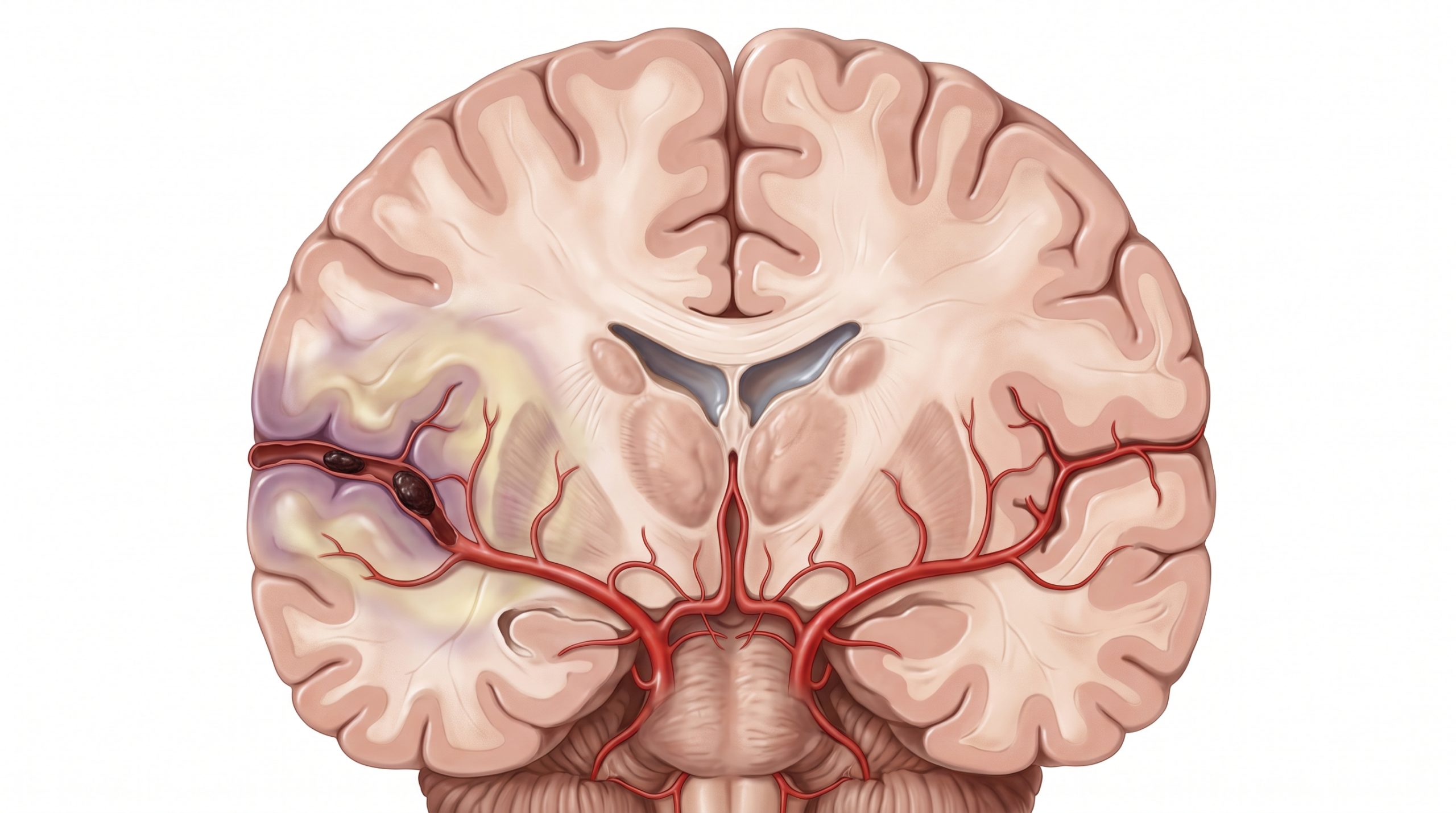
But when it comes to stroke, waiting to see if the symptoms will go away can be dangerous. A stroke occurs when blood flow to part of the brain is blocked or when a blood vessel in the brain bursts. Without enough oxygen, brain cells can become damaged.
So, how do you recognize the warning signs?

Remember FAST
F – Face: Ask the person to smile. Does one side of the face droop or feel numb?
A – Arms: Ask them to raise both arms. Does one arm feel weak or drift downward?
S – Speech: Ask them to repeat a simple sentence. Is their speech slurred, unusual, or difficult to understand?
T – Time: If any of these signs appear suddenly, seek emergency medical attention immediately.
Other warning signs can include sudden numbness or weakness, especially on one side of the body; sudden difficulty seeing; dizziness or loss of balance; confusion or difficulty understanding speech; and a sudden, severe headache with no known cause.
Don’t Wait for Symptoms to Disappear
Stroke is a medical emergency. The faster a person receives appropriate care, the better the chance of reducing serious brain damage and disability.
Also, don’t ignore symptoms simply because they disappear after a few minutes. This could be a transient ischaemic attack (TIA), sometimes called a mini-stroke, which can be a warning of a future stroke and still requires urgent medical assessment.
If you notice possible stroke symptoms in yourself or someone else, act immediately and seek emergency medical care.



 English