

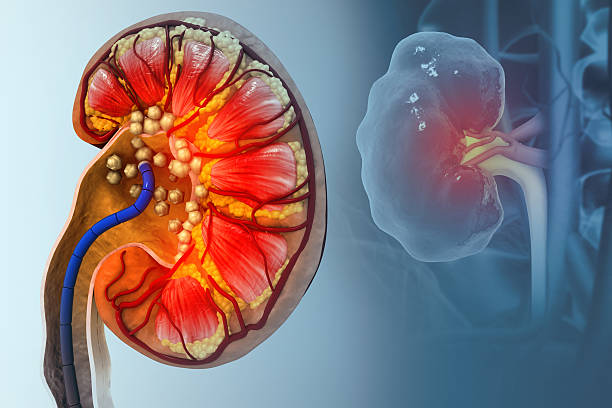
Kidney stones can develop when minerals and salts in the urine build up and form hard deposits in the kidneys. These stones may cause severe pain when they move through the urinary tract, although some do not cause noticeable symptoms at first.
While not all kidney stones can be prevented, certain everyday habits can reduce the risk of developing them. People who have had kidney stones before may also need personalised advice to prevent them from returning.
7 Ways to Help Prevent Kidney Stones
1. Drink enough water
Drinking enough water helps dilute substances in urine that can form kidney stones. Aim to drink fluids regularly throughout the day, increasing intake when the weather is hot or when you sweat more than usual.
Your fluid needs may vary depending on your activity level and health. People who have been advised to restrict fluids because of kidney or heart conditions should follow their healthcare professional’s guidance.
2. Reduce excess salt
Too much sodium can increase the amount of calcium released into the urine, raising the risk of certain types of kidney stones. Limit excess salt from packaged foods, seasoning products and heavily salted meals.
3. Eat a balanced diet
A balanced diet containing vegetables, fruits, whole grains and appropriate portions of protein can support kidney health. Avoid making drastic dietary changes without knowing which type of stone you are at risk of developing.

4. Do not eliminate calcium without medical advice
Although calcium is found in some kidney stones, getting too little calcium from food may increase the risk of certain stones. Most people should aim to meet their calcium needs through food unless a healthcare professional recommends otherwise.
5. Avoid excessive animal protein
Large amounts of animal protein, including red meat and some seafood, can increase the risk of particular kidney stones in susceptible people. Choose moderate portions and include other protein sources in your diet.
6. Be careful with supplements
Some supplements, particularly high doses of vitamin C and certain calcium supplements, may affect kidney stone risk in some people. Discuss regular supplement use with a healthcare professional, especially if you have previously had stones.
7. Get medical advice if you have had kidney stones before
Kidney stones can return. A healthcare professional may recommend urine or blood tests, stone analysis and specific dietary changes based on the type of stone you have had.
People with recurring stones may need additional preventive treatment.
When Should You Seek Medical Care?
Seek urgent medical attention if you have severe pain in your side or back, blood in your urine, or difficulty passing urine. Kidney stone symptoms accompanied by fever or chills may indicate an infection and require emergency assessment.
Preventing kidney stones starts with healthy habits, but the best approach depends on your individual risk factors. Drinking enough water, limiting excess salt and seeking personalised advice can help reduce the chances of developing stones.

 English