

By Morgan Nwanguma
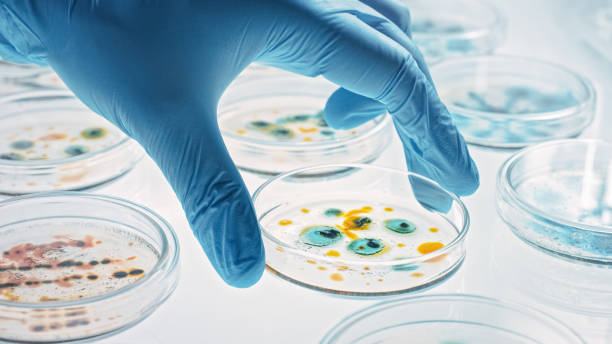
Consuming too much sugar while taking antibiotics is likely to worsen the drugs’ effects on beneficial gut bacteria and encourage the growth of potentially harmful microorganisms, according to new research. Scientists say temporarily reducing the consumption of sweets during and after antibiotic treatment could help protect the gut microbiome, although clinical trials are needed to confirm whether dietary changes improve patient outcomes.
The study examined the relationship between dietary sugar, antibiotic use and changes in the intestinal microbiome — the vast community of microorganisms that supports digestion, immune function and other essential bodily processes.
Although antibiotics are vital for treating bacterial infections, they can also destroy beneficial bacteria alongside harmful ones. This disruption may reduce microbial diversity and create conditions that allow potentially dangerous bacteria to multiply.
A diverse gut microbiome generally provides greater resistance against harmful pathogens. When antibiotics disturb this balance, however, the gut ecosystem may become more vulnerable to infection.
Sugar Associated with Greater Microbiome Disruption
Researchers from NYU Langone Health, City of Hope and Memorial Sloan Kettering Cancer Center analysed 9,419 recorded meals consumed by 173 hospitalised patients with blood cancers, monitoring changes in their gut microbiomes.
The findings revealed that every additional 100 grams of sugar consumed within the 48 hours before treatment was associated with a further 21 per cent decline in alpha diversity, a measure of the variety of microorganisms present in the gut.
Published online on September 30 in the journal Nature, the study also found that higher sugar intake alongside antibiotic treatment was associated with an increase in Enterococcus faecium, a bacterial species linked to infections that can be difficult to treat.

Experiments involving mice produced similar results. Animals given the antibiotic biapenem while consuming sucrose experienced a 16.3-fold increase in their intestinal Enterococcus population by the third day of the experiment. By day six, the bacterial burden had risen to 33.4 times the comparison level.
Jonas Schluter, PhD, assistant professor in the Department of Microbiology at NYU Langone and co-senior author of the study, said identifying factors that could limit antibiotic-related damage to the microbiome was increasingly important because such disruption has been linked to long-term health problems.
“Our study, which used more than 9,000 recorded meals, suggests that modifying diet during and after antibiotics, specifically by reducing sweets intake, could help with that,” Schluter said.
ALSO READ: Daily Sugary Drinks Linked to Higher Gastric Cancer Risk in Long-Term U.S. Study
Why Blood Cancer Patients Were Studied
The research team focused on patients with blood cancers because they frequently receive antibiotics and often remain in hospital for extended periods, allowing researchers to monitor their food intake and microbiome changes closely.
Investigators recorded the patients’ meals and collected microbiome samples daily, providing detailed information on the relationship between diet and changes in intestinal bacteria.
Patients undergoing stem cell transplantation may spend several weeks in hospital receiving chemotherapy and antibiotics. During this period, their diets and gut microbiomes can change significantly.
As beneficial microorganisms decline, potentially harmful bacteria such as Enterococcus faecium may gain an opportunity to multiply and dominate the intestinal environment.
Marcel van den Brink, MD, PhD, chief physician executive at City of Hope and co-senior author, said the microbiome was becoming increasingly important in cancer care.
For patients undergoing intensive treatments, including bone marrow transplantation, maintaining a healthy diversity of gut microorganisms could influence treatment outcomes, recovery and the experience of side effects.
He noted that studies examining everyday factors such as diet could help scientists better understand how to preserve this delicate microbial balance during cancer treatment.
Potential Implications for Cancer Treatment

Damage to the gut microbiome has been associated with poorer outcomes among patients with blood cancers, including increased infection risks and higher overall mortality.
Jonathan Peled, associate director of the Center for Hematological Malignancies at Memorial Sloan Kettering Cancer Center and another co-senior author, said further research should investigate whether short-term dietary changes could improve clinical outcomes.
The researchers believe dietary sugar may amplify antibiotic-induced microbiome disruption because harmful bacteria that survive treatment could use available sugars to grow and multiply.
William Jogia, a doctoral researcher in Schluter’s laboratory at NYU Langone’s Institute for Systems Genetics and a second author of the study, explained that the findings identified dietary sugars as a potential amplifier of antibiotic-related microbiome damage.
However, he cautioned that the precise mechanism remains unclear. Further studies must establish whether sugar directly supports the growth of Enterococcus, weakens competing beneficial bacteria or affects the microbiome through other biological pathways.
The findings suggest that reducing the consumption of simple sugars during and after antibiotic treatment could potentially help limit damage to the gut microbiome. Nevertheless, the study does not establish that sugar reduction will prevent infections or improve survival, and its findings should not be interpreted as proof of a direct cause-and-effect relationship in human patients.
The researchers therefore called for clinical trials to determine whether targeted dietary changes can preserve microbial diversity and improve outcomes, particularly among vulnerable patients receiving intensive cancer treatment.
Until such evidence becomes available, patients should continue taking prescribed antibiotics as directed and consult their healthcare professionals before making significant dietary changes during treatment.
Study Authors and Collaborating Institutions
In addition to Schluter and Jogia, contributors from NYU Langone Health included Caichen Duan, Chenzhen Zhang, Fanny Matheis and Alexis Sullivan.
Researchers from Memorial Sloan Kettering Cancer Center included Jonathan Peled, Anqi Dai, Annamaria Ballweg and numerous collaborators from its bone marrow transplantation service, epidemiology and biostatistics, paediatrics, food and nutrition services, and human oncology programmes.
Other contributors represented City of Hope National Medical Center in Los Angeles; the University of Texas MD Anderson Cancer Center; Azienda Ospedaliera Universitaria Senese in Siena, Italy; the University of Minnesota; and Fred Hutchinson Cancer Center in Seattle.
The collaboration brought together specialists in microbiology, cancer medicine, haematology, epidemiology, nutrition and computational biology to investigate how an everyday dietary factor might influence the consequences of antibiotic treatment.
Support and disclosures
Funding for the study was by the American National Institutes of Health grants K08HL143189, P30 CA008748, P01CA023766, R35CA284024, DP2AI164318, R01CA269617, P30CA0160087, R01-CA228358, R01-CA228308, F31-CA261086, P30 CA008748, P01-CA023766; R01-HL123340, R01-HL147584, and P01-AG052359. Other support came from the Gabrielle’s Angel Foundation, a Helen Hay Whitney postdoctoral fellowship, the Starr Cancer Consortium, The Tri-Institutional Stem Cell Initiative, the Lymphoma Foundation, the Susan and Peter Solomon Divisional Genomics Program, Cycle for Survival, the Parker Institute for Cancer Immunotherapy, the American Society of Clinical Oncology Young Investigator Award, a Hyundai Hope on Wheels Young Investigator Award, a Tow Center for Developmental Oncology Career Development Award, and an AIRC fellowship for Abroad.
Dr. Schluter has filed intellectual property applications related to the microbiome (reference numbers #63/299,607), serves on an advisory board and holds equity in Jona Health, and is cofounder of Postbiotics Plus Research. These relationships are being managed in keeping with the policies of NYU Langone Health.
 English