

By Morgan Nwanguma
Over time, the need to give greater attention to the physical health and nutritional needs of children has become increasingly important. Rapid changes in lifestyles and social habits have significantly influenced the way children eat, play and grow. With the growing popularity of fast foods, sugary drinks and highly processed snacks, health experts warn that poor dietary habits and physical inactivity could contribute to serious health challenges in the years ahead.
Children are particularly vulnerable because the habits they develop early in life often continue into adulthood. Parents, guardians and caregivers therefore have a crucial role to play in guiding children towards healthier food choices and encouraging regular physical activity.
A renowned child development health platform, Mayo Clinic states that, “Nutrition for kids is based on the same ideas as nutrition for adults. Everyone needs the same types of things, such as vitamins, minerals, carbohydrates, protein and fat. These are called nutrients. Children need different amounts of specific nutrients at different ages. The best eating pattern for a child’s growth and development considers the child’s age, activity level and other characteristics.”
The Foundation of Healthy Growth
A healthy diet, combined with adequate physical activity, is essential for children’s growth and development. Good nutrition provides the energy and nutrients needed for normal body functions, healthy development and the maintenance of an appropriate body weight.
Developing healthy eating habits from an early age can also support the body’s immune system and overall wellbeing. On the other hand, a diet dominated by highly processed foods, excessive sugary drinks and unhealthy snacks may contribute to poor nutrition and increase the risk of problems such as overweight and obesity.
Parents and caregivers should help children develop healthy nutritional habits. These include eating a variety of nutritious foods, consuming adequate fruits and vegetables, and avoiding excessive amounts of salt, unhealthy fats and added sugars.
Nutrition during the early stages of life is particularly important. Breastfeeding is widely recommended as the ideal source of nutrition for infants, where possible, especially during the first months of life. Parents should seek appropriate guidance from qualified health professionals on infant feeding and the introduction of complementary foods as children grow.
Understanding a Balanced Diet
A balanced diet should provide the body with essential nutrients from a variety of food groups. These include:
- Carbohydrates for energy
- Proteins for growth and tissue repair
- Fats and oils in appropriate amounts
- Vitamins to support important body functions
- Minerals needed for healthy growth and development
- Water for hydration and normal body processes
Failure to establish healthy eating habits early can leave children increasingly dependent on junk foods and other nutrient-poor meals. Poor nutrition can contribute to malnutrition, impaired growth and weakened immunity, while excessive consumption of calorie-dense foods and drinks can increase the risk of overweight and obesity.
The goal, therefore, is not simply to ensure that children eat enough, but to ensure that they eat the right combination of nutritious foods.

Healthy Foods Are Available Locally
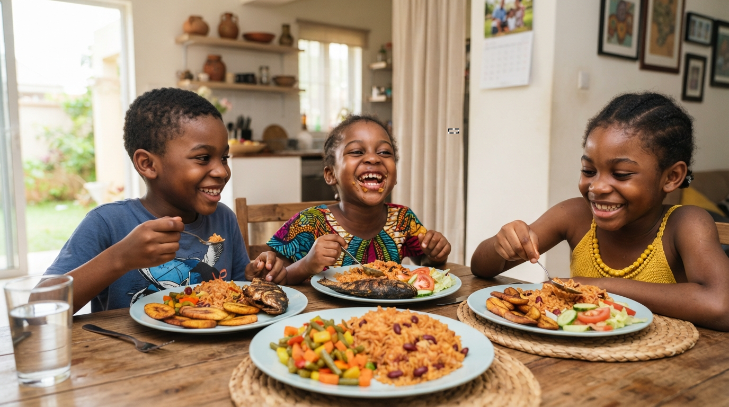
One encouraging fact is that nutritious meals do not have to be expensive. Our local communities are blessed with a wide range of affordable foods that can be combined to meet the nutritional needs of growing children.
Available staples include cassava, yam, sweet potatoes, rice, millet, guinea corn, soya beans, beans and cocoyam. Other valuable food sources include fish, crayfish, meat, poultry, fruits, vegetables, palm oil and groundnuts.
With careful planning and informed choices, families can use these locally available foods to prepare balanced and nourishing meals for their children.
Practical Tips for Healthier Eating
In addition to providing balanced meals, parents and caregivers should pay attention to other important aspects of healthy eating and digestion. Fibre-rich foods and adequate water intake can support healthy bowel function and overall wellbeing.
Some useful nutritional practices include:
- Avoid excessive consumption of highly processed foods.
- Give children more whole and minimally processed foods, including fibre-rich foods.
- Include a variety of fruits and vegetables in daily meals.
- Avoid overcooking vegetables, as this may reduce some of their nutritional value.
- Wash vegetables thoroughly before cutting and preparing them.
- Reduce the amount of fast foods, sugary snacks and soft drinks in children’s school lunch packs.
- Encourage children to drink safe water regularly.
- Limit the consumption of cakes, sweets, sugary drinks and other foods high in added sugar.
- Encourage regular physical activity and reduce prolonged periods of inactivity.
A Responsibility for Parents and Caregivers
The health of the next generation depends greatly on the choices we make today. Parents and caregivers must become more conscious of what children eat, how much they move and the habits they are developing.
By teaching children to appreciate nutritious local foods, encouraging regular exercise and limiting their dependence on fast foods and sugary drinks, families can help lay the foundation for healthier lives.
Healthy children are more likely to grow into healthier adults. The responsibility to build that future begins at home, that is with the food we serve, the habits we encourage and the example we set.


 English
2 thoughts on “Healthy Eating and Physical Activity: Building a Healthier Future for Our Children”