
By Evans Matthews
In every part of the world, children remain the most vulnerable to infectious diseases. Their immune systems are still developing, making them easy targets for bacteria, viruses, and parasites. From pneumonia and malaria to newer infections like Respiratory Syncytial Virus (RSV) and hand-foot-mouth disease, pediatric infectious illnesses continue to pose serious public health challenges.
According to the World Health Organization (WHO), infectious diseases are responsible for nearly half of all deaths among children under five in developing nations. In sub-Saharan Africa and South Asia, preventable infections such as malaria, diarrhea, and pneumonia still claim millions of young lives every year. While immunization campaigns have saved many, antibiotic resistance and emerging viruses now threaten to reverse much of that progress.

Common Childhood Infections
Respiratory infections, particularly pneumonia, remain the number one infectious killer of children worldwide. Diarrheal diseases—often from unsafe water or poor hygiene—lead to dehydration and malnutrition. In malaria-endemic regions, mosquito bites are still deadly for thousands of children every day. Other threats include measles, influenza, tuberculosis, and more recently, RSV.
Dr. Jumoke Adebayo, a pediatric infectious disease specialist in Lagos, explains: “Children’s bodies are still learning how to defend themselves. Every exposure to infection teaches the immune system to grow stronger, but it must be guided with protection—through vaccines, nutrition, and hygiene.”
Why Children Are More Susceptible
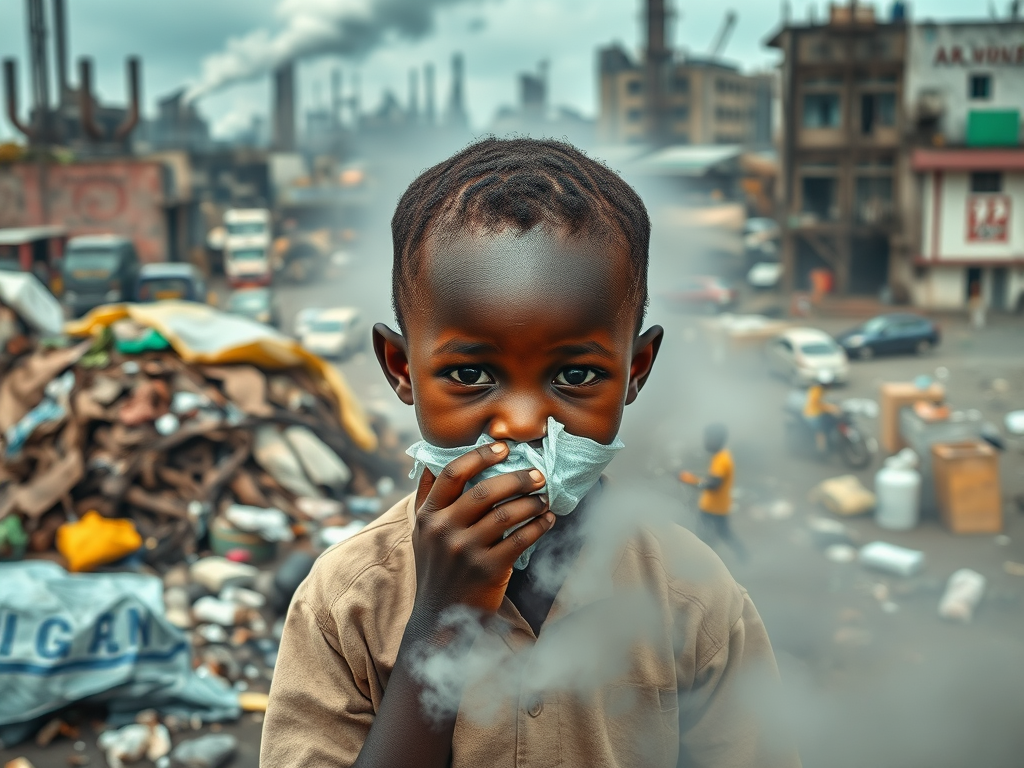
Young children are naturally active and curious. They share toys, touch surfaces, and put their hands in their mouths—behaviors that make germ transmission easy. Poor sanitation, malnutrition, and overcrowded living conditions worsen the risk. In many rural communities, late diagnosis and reliance on home remedies or self-medication lead to complications. This also fuels antimicrobial resistance, where bacteria adapt and stop responding to treatment.

Prevention and Early Action
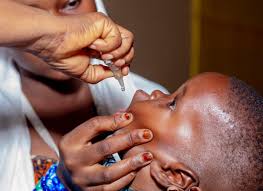
The most effective way to fight infectious diseases in children is prevention. Routine immunization is crucial, protecting against measles, tetanus, diphtheria, and more. Nigeria’s National Primary Health Care Development Agency (NPHCDA) continues to emphasize the importance of completing all vaccines by age two.
Good hygiene and sanitation practices—like washing hands with soap, using clean water, and keeping the environment tidy—can cut infection rates by over half. Nutrition also plays a vital role; a well-fed child fights infections better than a malnourished one. Parents should never ignore warning signs such as persistent fever, cough, diarrhea, or rash.
Dr. Adebayo warns, “The first two days of an illness can determine the outcome. Parents should not wait until a child becomes severely weak before seeking help.”

A Global Responsibility
As the world faces climate change and global travel increases, infectious diseases spread faster than ever. Health agencies must strengthen surveillance and ensure affordable access to vaccines and antibiotics. Communities, on their part, must be educated to trust science and avoid myths that hinder treatment.
Protecting children from infections is not just a medical obligation—it is a shared human duty. When children are healthy, the future of every nation shines brighter.

 English