

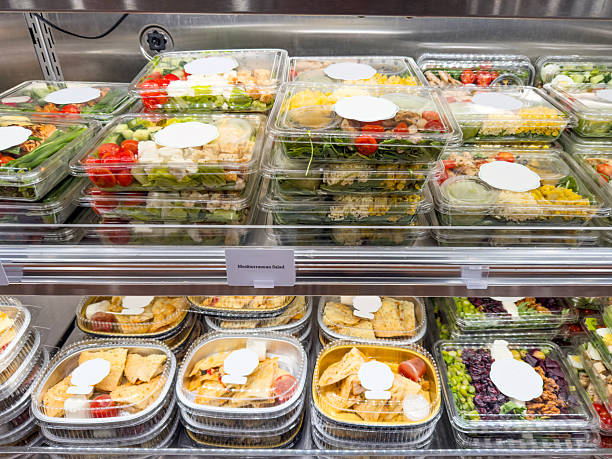
The World Health Organization (WHO) is proposing a broader approach to identifying packaged foods that may require closer regulation, with added colours, flavours, and sweeteners among the ingredients governments could consider alongside a product’s nutritional content.
The proposal is contained in a draft Integrated Food Profiling Model for Regulatory Measures published on November 2. It is designed to help governments identify industrially produced, pre-packaged foods that should be consumed in moderation and could fall within the scope of measures such as front-of-pack warning labels, marketing restrictions or taxes.
Under the proposed model, food products would be assessed using two sets of criteria. The first covers levels of saturated fats, trans fats, sugars and sodium. The second considers specified ingredients used primarily to enhance the sensory appeal of food, including colours, flavours and sweeteners.
A product could be identified under the model if it exceeds at least one of the specified nutrient thresholds or contains one or more of the listed ingredients.
WHO, however, has clarified that the inclusion of colours, flavours, and sweeteners does not mean these ingredients are inherently unsafe. Rather, the organization says they can help identify products formulated to increase their appeal and consumption.
The proposal could be relevant to consumers in Nigeria, where packaged drinks, snacks, instant noodles, breakfast cereals and other convenience foods are widely available. It also raises questions about how governments can use food labels and ingredient information to guide healthier food choices and shape public health policies.
The draft has already attracted criticism from the International Food and Beverage Alliance, which represents major global food and beverage companies. The group argues that the proposed ingredient-based criteria could shift attention away from nutritional quality and potentially capture products that have been reformulated to reduce sugar, sodium or saturated fat.
WHO is currently seeking feedback from member states, experts, civil society organisations and other stakeholders before finalising the model. The consultation closes on November 27, 2026.
The proposal is not yet a regulation, and its eventual application will depend on how governments choose to use the model. For consumers, the discussion highlights the importance of looking beyond attractive packaging and paying attention to nutritional information and ingredient lists when choosing food products.


 English