

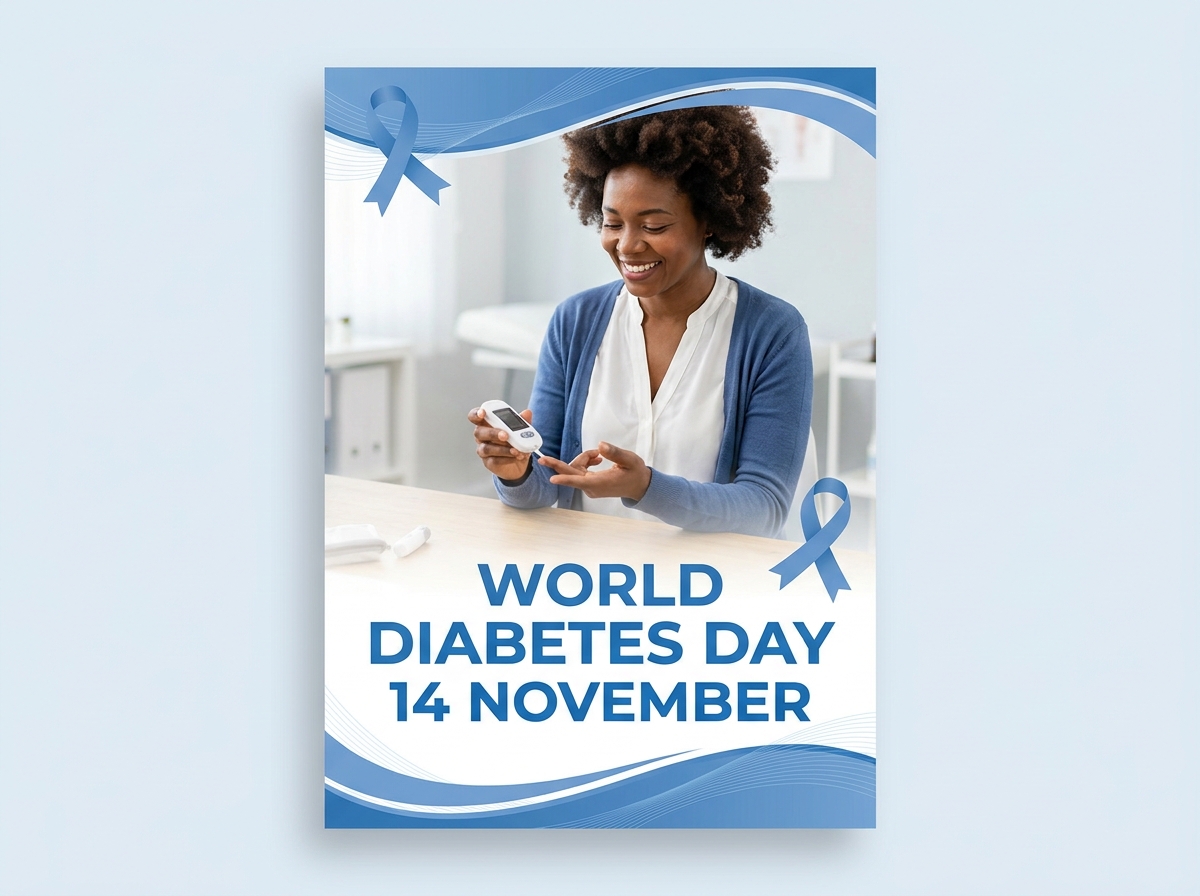
Diabetes can develop without obvious warning signs, leaving some people unaware of their condition until they begin experiencing health complications. This makes early detection an important part of preventing avoidable health problems and ensuring that people receive appropriate care.
As the world marks World Diabetes Day on November 14, attention is turning to the importance of identifying diabetes early, understanding individual risk factors, and improving access to diagnosis and treatment.
The International Diabetes Federation (IDF) has adopted “Early Action on Diabetes” as the theme for its 2026–2027 World Diabetes Day campaign. The initiative calls for earlier diagnosis, timely access to quality diabetes care and stronger efforts to reduce the risk of type 2 diabetes.
According to the IDF, approximately 589 million adults worldwide are living with diabetes, with more than four in ten unaware that they have the condition. Undiagnosed diabetes can prevent people from accessing the care they need and increase their risk of developing serious complications.

Why early diabetes detection matters
One of the challenges with diabetes, particularly type 2 diabetes, is that symptoms may develop gradually and remain unnoticed for years. The World Health Organization (WHO) identifies increased thirst, frequent urination, unexplained weight loss, tiredness and blurred vision among common symptoms. However, some people with type 2 diabetes experience mild symptoms or none at all.
This means that feeling healthy does not necessarily rule out the condition. Blood glucose testing through a healthcare provider remains an important way to establish whether someone has diabetes. Common diagnostic tests include fasting blood glucose, the oral glucose tolerance test and the glycated haemoglobin (HbA1c) test, which provides an indication of average blood glucose levels over time.
The need for early detection is also relevant in Nigeria. The IDF Diabetes Atlas estimates that approximately 2.99 million adults aged 20 to 79 were living with diabetes in the country in 2024. This figure highlights the importance of improving public awareness and access to diabetes screening and care.
Although type 1 diabetes cannot currently be prevented, the risk of developing type 2 diabetes can often be reduced or delayed. WHO recommends maintaining a healthy body weight, engaging in regular physical activity, eating a healthy diet and avoiding tobacco use. Adults are advised to undertake at least 150 minutes of moderate-intensity physical activity each week.
World Diabetes Day therefore provides an opportunity to move beyond awareness messages and encourage practical action. People experiencing possible symptoms or concerned about their risk should speak with a qualified healthcare professional about appropriate testing.
Early diagnosis does not eliminate diabetes, but it can help people access treatment, manage their blood glucose and reduce the risk of long-term complications. Knowing one’s status is an important first step towards better healt



 English