

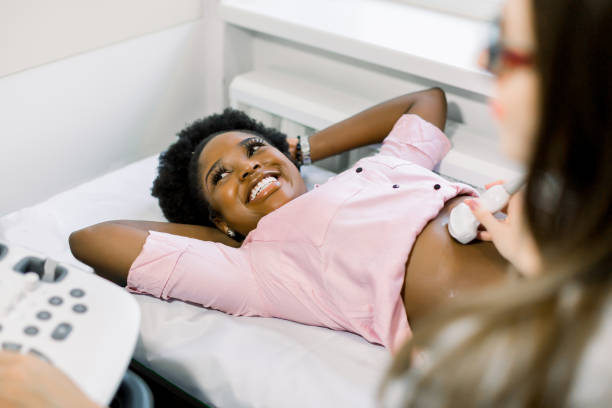
Researchers at Florida International University (FIU) in the United States have developed a portable imaging device that could help identify women at risk of preterm birth earlier in pregnancy.
The technology, known as Portable Preterm Imaging (PPRIM), uses polarised light to examine the structure of collagen fibres in the cervix. Changes in these fibres may provide clues about cervical remodelling, a process associated with the body’s preparation for childbirth.
Unlike conventional approaches that mainly assess cervical length, the device is designed to examine changes in cervical tissue that may help indicate the risk of premature labour.
According to the researchers, PPRIM can capture an image in approximately five seconds, offering the possibility of a quick, non-invasive assessment during pregnancy.
Preterm birth, defined as delivery before 37 completed weeks of pregnancy, remains a major global health concern. The World Health Organization estimates that approximately 13.4 million babies were born prematurely in 2020, with complications from preterm birth remaining a leading cause of death among children under five.
Early identification of women at increased risk can help healthcare providers consider closer monitoring and appropriate interventions. However, predicting preterm birth remains challenging because not all women who develop risk factors will deliver prematurely.
The researchers believe the imaging technology could eventually provide additional information to support clinical decisions, particularly if further studies establish its accuracy across different patient populations.
However, the device is not yet ready for routine clinical use. Further clinical evaluation is needed to establish its reliability, determine how well it performs in different settings and assess its potential role alongside existing pregnancy screening methods.
If successfully validated, the technology could offer another approach to identifying pregnancies that may require closer attention, potentially improving opportunities for timely care.
Source: Florida International University


 English