

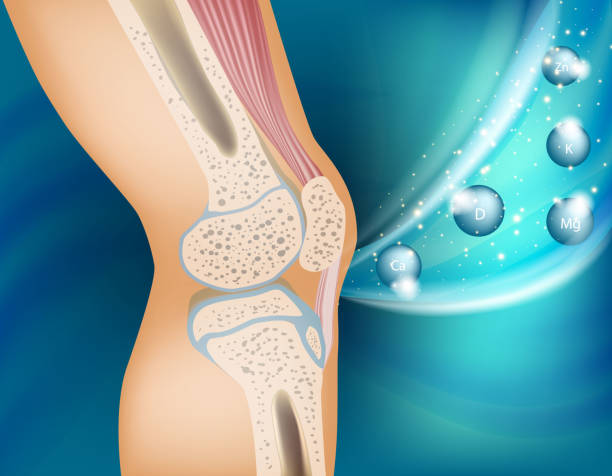
Arthritis and joint replacement in Nigeria face major challenges due to a high prevalence of degenerative joint disease, a severe shortage of orthopaedic specialists, and high out-of-pocket costs. The extent of the burden is that Osteoarthritis (OA) affects up to 21.6% of the Nigerian population, with Africa contributing significantly to global OA rates. In this Cover Story, PharmaTimes Editor, MORGAN NWANGUMA writes that while experts in Nigeria grapple with combating the debilitating health issue, a team of Stanford scientists have found a way to regrow cartilage and stop arthritis – without having to resort to joint replacement.
Researchers in Nigeria have identified a number of factors as being the major triggers of osteoarthritis. It is established that chronic joint damage is driven by ageing, obesity, physical workload, post-traumatic injuries, sickle cell disease, and avascular necrosis (especially of the hip). Meanwhile in a recent study, scientists at Stanford Medicine have identified a promising approach to regenerating cartilage damaged by ageing and injury, raising hopes for future treatments that could reduce the need for knee and hip replacement surgery.
The researchers found that blocking a protein whose levels increase with age restored cartilage in older mice and significantly reduced the development of osteoarthritis following knee injuries. Experiments involving human cartilage samples also produced encouraging results, with treated tissue beginning to regenerate functional articular cartilage.
The findings suggest that cartilage may retain a greater capacity for self-repair than previously believed. If the approach proves safe and effective in humans, it could pave the way for medicines capable of slowing or reversing cartilage loss.
Targeting a Protein Linked to Ageing
Osteoarthritis is a degenerative joint disease characterised by the gradual breakdown of cartilage, the smooth tissue that cushions the ends of bones and allows joints to move with minimal friction. As cartilage deteriorates, affected individuals may experience pain, swelling, stiffness and reduced mobility.
The condition affects approximately one in five adults in the United States and accounts for an estimated $65 billion in direct healthcare costs annually.
Current treatments primarily relieve pain and other symptoms, while severe cases may require joint replacement surgery. No approved drug has been established as a reliable means of reversing the underlying cartilage damage caused by osteoarthritis.
The Stanford-led research focused on a protein called 15-PGDH, which scientists classify as a gerozyme, an enzyme that becomes more abundant with age and contributes to the gradual decline of tissue function.
Previous studies by the same research team linked 15-PGDH to age-related changes in several tissues. In older mice, inhibiting the protein increased muscle mass and endurance, while increasing its activity in young animals caused muscle weakness and shrinkage. The protein has also been associated with the regeneration of bone, nerve and blood cells.
However, the researchers discovered that cartilage regeneration follows a different mechanism. Rather than depending on stem cells to generate new tissue, existing cartilage cells, known as chondrocytes, appeared to change their gene activity and adopt a more youthful functional state.
“This is a new way of regenerating adult tissue, and it has significant clinical promise for treating arthritis due to aging or injury,” said Helen Blau, professor of microbiology and immunology at Stanford Medicine.

Remarkable Cartilage Regeneration in Mice
The study, published in Science, was led by Blau and Nidhi Bhutani, an associate professor of orthopaedic surgery at Stanford Medicine. Mamta Singla and Yu Xin (Will) Wang were the lead authors.
The researchers observed that levels of 15-PGDH in knee cartilage approximately doubled as mice aged.
To investigate whether blocking the protein could reverse cartilage deterioration, they administered a small-molecule inhibitor to older mice. In separate experiments, the treatment was injected into the abdomen to produce effects throughout the body or delivered directly into the knee joint.
Both approaches produced encouraging results.
Cartilage that had become thinner and less functional with age grew thicker following treatment. Importantly, the regenerated tissue was predominantly hyaline cartilage – the smooth, durable type required for normal joint movement, rather than fibrocartilage, which is less suitable for restoring the function of articular surfaces.
Nidhi Bhutani described the degree of regeneration observed in aged mice as remarkable, noting that the results exceeded what the team had anticipated.
Potential to Prevent Arthritis after Knee Injuries
The researchers also investigated whether inhibiting 15-PGDH could protect joints following traumatic injuries, particularly tears of the anterior cruciate ligament (ACL).
ACL injuries commonly occur in sports such as football, basketball and skiing. Although surgery can repair a damaged ligament, the procedure does not necessarily prevent the development of osteoarthritis years later.
According to the study, approximately half of people who sustain such injuries develop osteoarthritis in the affected joint within about 15 years.

In the mouse experiments, the researchers administered the inhibitor twice weekly for four weeks after knee injury. Animals receiving the treatment were substantially less likely to develop osteoarthritis than those given a control drug.
The treated mice also demonstrated improved movement and placed more weight on the paw connected to the injured leg, suggesting better functional recovery.
The findings are particularly noteworthy because prostaglandin E2, a molecule associated with inflammation and pain, plays a role in the biological pathway affected by 15-PGDH. The researchers suggested that modest increases in prostaglandin E2 within normal biological ranges may help stimulate tissue regeneration.
Reversing Age-Related Changes in Cartilage Cells
Further analysis revealed that ageing altered the activity of genes within cartilage cells, increasing signals associated with inflammation and cartilage breakdown while reducing those involved in healthy cartilage development.
Treatment with the 15-PGDH inhibitor shifted these patterns towards a healthier state.
The proportion of one group of older cartilage cells associated with cartilage degradation fell from 8 per cent to 3 per cent. Another group associated with fibrocartilage formation declined from 16 per cent to 8 per cent.
Meanwhile, the proportion of cells expressing genes involved in producing hyaline cartilage and maintaining the extracellular matrix increased from 22 per cent to 42 per cent.
The extracellular matrix is the network of proteins and other molecules surrounding cells. In cartilage, it provides structural support, helps the tissue withstand pressure and maintains the smooth surface required for comfortable joint movement.
These changes suggest that the treatment may restore cartilage function by reprogramming existing cells rather than relying on the introduction or activation of stem cells.
Encouraging Results from Human Cartilage Samples
To assess whether the findings might be relevant to human disease, the team tested the inhibitor on cartilage samples obtained from patients undergoing total knee replacement surgery because of osteoarthritis.
After one week of treatment, the samples contained fewer cartilage cells expressing 15-PGDH. The researchers also observed reduced activity in genes associated with cartilage degradation and fibrocartilage formation.
Most notably, the treated samples began regenerating articular cartilage.
Bhutani said the results had changed the researchers’ understanding of how tissue regeneration could occur, highlighting the potential for existing cartilage cells to change their gene-expression patterns and contribute to repair.
Nevertheless, the human experiments were conducted on tissue samples outside the body. They do not establish that the treatment can regenerate cartilage, relieve symptoms or prevent osteoarthritis in patients.
Clinical Trials Needed Before Patient Use
Although the results offer a potentially important direction for osteoarthritis research, further studies will be required to determine whether 15-PGDH inhibition can safely and effectively regenerate cartilage in living humans.
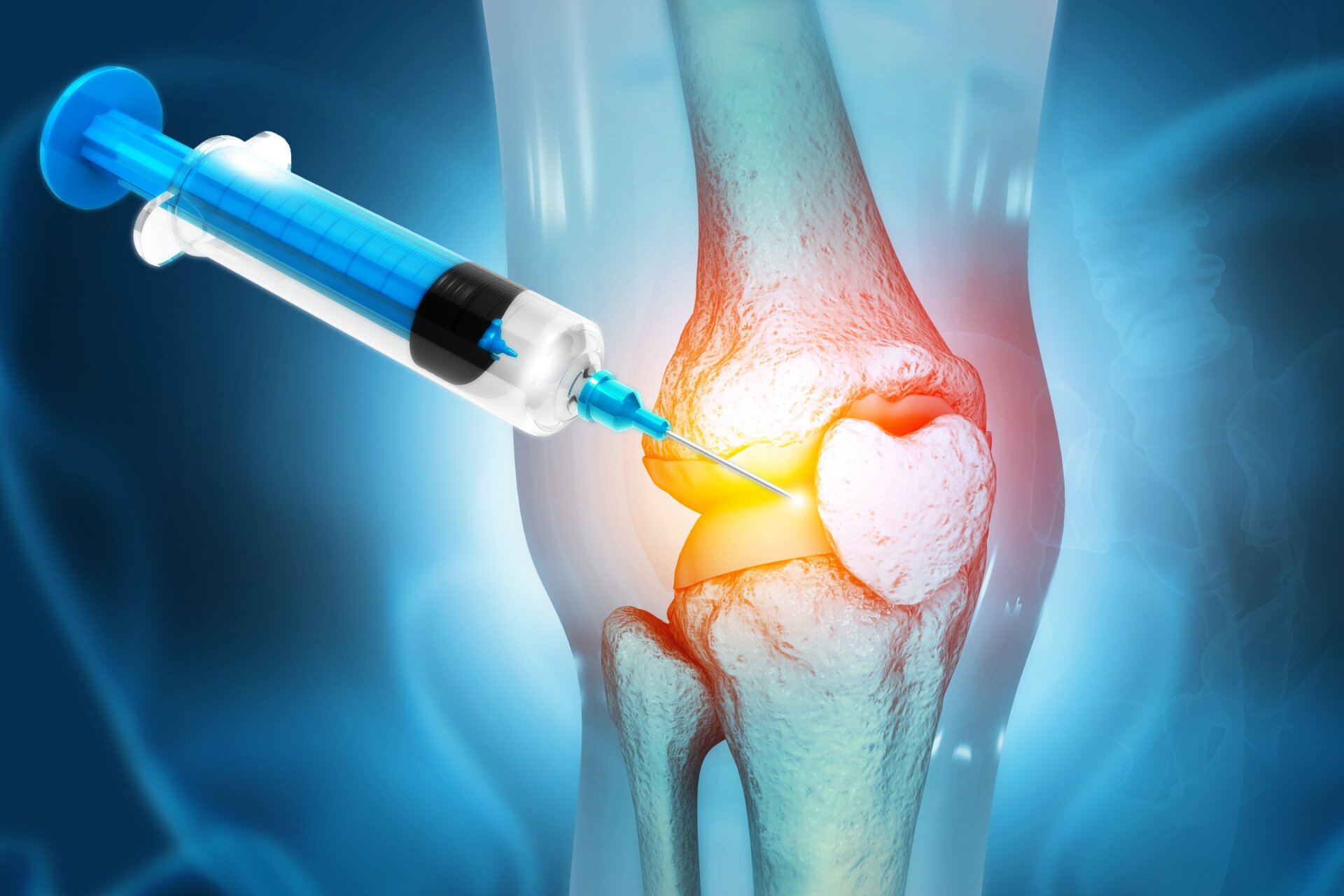
The researchers envisage that the approach could eventually lead to an oral medicine or an injection administered directly into affected joints. Such treatments could potentially delay or reduce the need for joint replacement surgery.
An oral 15-PGDH inhibitor is already undergoing clinical testing for a different age-related condition: muscle weakness. According to Blau, Phase 1 clinical trials have indicated that the inhibitor was safe and biologically active in healthy volunteers.
The research team hopes that similar clinical investigations will eventually assess its potential for cartilage regeneration.
If future trials confirm the findings, targeting 15-PGDH could represent a significant advance in osteoarthritis treatment, shifting the focus from managing pain and stiffness towards addressing the underlying loss of cartilage.
For millions of people living with degenerative joint disease, the possibility of restoring damaged cartilage offers a promising avenue for future research, although its benefits for patients remain to be established.


 English