
By Steven O. Mukoro
Mild illnesses are part of growing up – there’s not a lot you can do to help your child avoid them. But if you’re ever worried about your child’s health, you should see your GP.
Knowing you have good medical care for your young child can put your mind at ease, and choosing a good family doctor ahead of time can save you a lot of worry. It’s important for you and your child to have a good relationship with the GP and feel confident about the GP’s advice.
There might be times when you’re not happy with a doctor’s diagnosis or advice. It’s okay to want a second opinion or to consider changing doctors.
Signs of serious illness can include severe pain, drowsiness, pale or blue skin, dehydration, difficulty breathing, unresponsiveness and seizures. Young children’s symptoms can get worse very quickly, so seek urgent medical attention if you see any of these symptoms.
In Nigeria, children, particularly those under the age of five, face a high burden of preventable and treatable health conditions. A combination of infectious diseases, nutritional deficiencies, and environmental challenges makes up the vast majority of paediatric medical cases.
Common child health issues

Here’s a quick guide to some of the most common child health issues in Nigeria.
Malaria
Malaria remains one of the single largest public health challenges and leading causes of child mortality and school absenteeism in the country. Nigeria carries the highest global burden of malaria cases and deaths. Young children are highly vulnerable to the Plasmodium parasite transmitted via mosquito bites, which can rapidly lead to severe anaemia, high fever, and life-threatening convulsions.
Acute Respiratory Infections (Pneumonia)
Pneumonia is the leading infectious cause of under-five child mortality in Nigeria. According to UNICEF Nigeria, Nigeria contributes the highest number of childhood pneumonia deaths globally. It typically presents as a persistent cough, fever, and fast or laboured breathing, and is frequently driven by underlying factors like poor indoor air quality and low vaccination coverage.
Diarrheal Diseases
Diarrhoea and vomiting account for hundreds of thousands of child deaths every year. These gastrointestinal infections are heavily linked to a lack of clean water infrastructure, poor sanitation, and economic hardship. Severe dehydration from diarrhoea can be fatal if not managed promptly with oral rehydration salts (ORS) and zinc.
Malnutrition
Under nutrition acts as a major driver in nearly half of all under-five deaths in the country. Data from UNICEF Nigeria indicates that Nigeria has the second-highest global burden of stunted children, with millions suffering from severe acute malnutrition (SAM). Economic strain and food insecurity mean many children survive on poor diets lacking critical micronutrients, which drastically weakens their immune systems against other infections
Vaccine-Preventable Diseases
Despite the availability of routine immunization schedules, low vaccination coverage and a high population of “zero-dose” children lead to regular outbreaks of preventable illnesses. These include:
- Measles: Causes high fever, a characteristic rash, and can lead to blindness or severe respiratory issues.
- Whooping Cough (Pertussis): Causes severe, uncontrollable coughing fits.
- Tuberculosis, Polio, and Diphtheria: Still resurface in areas with low vaccine compliance
Chronic and Environmental Conditions
- Childhood Asthma & Allergies: Recurrent wheezing, night time coughing, and breathlessness are highly prevalent and frequently misdiagnosed as repeated chest infections.
- Neonatal Conditions: Complications arising in the first month of life, such as birth asphyxia and neonatal sepsis, represent a significant portion of child health issues.
- Skin & Parasitic Infections: Scabies, ringworm, and worm infestations are highly common among school-aged children due to close physical contact and contaminated soil
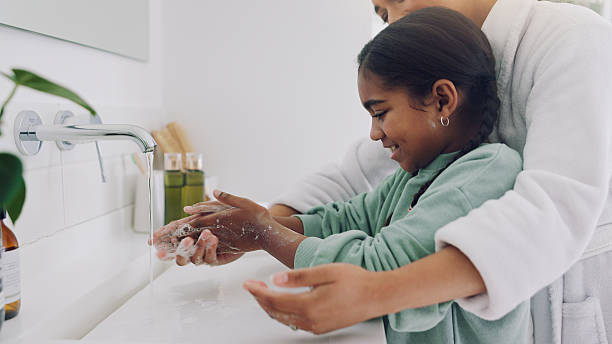
Many common childhood infections spread easily. One of the best ways to prevent spread is careful hand washing. You can teach your child to wash hands before eating, after going to the toilet, and after touching animals or dirty things.

Child health tips
Make sure immunisations are up to date
Immunisation protects your child and your community against diseases like measles and diphtheria, which are potentially serious and even life threatening. Your child can be immunised by your GP or at a community or local council health clinic.
Use medications only as needed, recommended or prescribed
You can use medications like paracetamol and ibuprofen without a prescription when your child has a fever or mild pain. You don’t normally need to see a doctor to use these medications. But if you’re unsure, talk to your pharmacist or GP.
Give your child other medications only when recommended by a pharmacist or prescribed by a doctor.
Always check dosage instructions on medication labels to make sure that you give your child the right dose for their weight or age.
Keep your child’s air clean
Second-hand and third-hand smoke can cause serious health risks to children. The best way to protect your child is to quit smoking. If someone in your house smokes, make sure they always smoke outside. And never smoke in a car that carries children.
Also avoid using chemical household sprays, like insect repellent or cleaning products, when your child is in the room.
Hygiene
Daily personal hygiene is important for children and anyone taking care of children. It’s one of the most effective ways we have to protect ourselves – and others – from illness.
Slip, slap, seek and slide
Keep your child safe in the sun and prevent sunburn by:
- slipping on protective clothing
- slapping on a broad-brimmed hat
- seeking shade
- sliding on wraparound sunglasses.
Brush twice a day
Good dental health is vital to your child’s general health. It’s also key to avoiding tooth decay.
Brush your child’s teeth twice a day – morning and night. Just use water on the toothbrush until your child is 18 months old (unless a dentist tells you otherwise). At 18 months, you can start using a pea-sized amount of low-fluoride toothpaste.
 English