

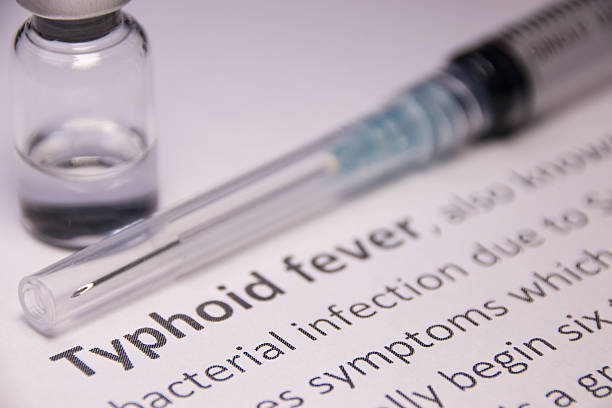
Typhoid fever is often associated with contaminated food and water, but the risk can also depend on how food is prepared, how drinking water is stored and whether basic hygiene practices are followed consistently.
The infection is caused by Salmonella Typhi, a bacterium that spreads when people consume food or water contaminated with the faeces of an infected person. It remains a public health concern in areas where access to safe drinking water and adequate sanitation is limited.
Although typhoid fever can be treated with antibiotics, antibiotic resistance is making some infections more difficult to manage. Prevention therefore remains an important part of reducing the risk of illness.

How Can You Reduce Your Risk of Typhoid Fever?
Pay attention to your drinking water. Water that looks clear is not necessarily safe. If you are unsure of its quality, boil it or use an appropriate water-treatment method according to the manufacturer’s instructions. Store treated water in a clean, covered container and avoid dipping hands or used cups into it.
Be careful about how food is prepared and stored. Eat food that has been thoroughly cooked and served hot. Keep meals covered to protect them from flies, dust and other sources of contamination. Food that has been left at unsafe temperatures for too long may become hazardous, even if it looks and smells normal.
Wash fruits and vegetables with safe water. Raw produce can become contaminated during growing, transport or preparation. Rinse it thoroughly before eating, and peel fruits yourself when appropriate, particularly if you are uncertain about the water used to wash them.
Make handwashing a consistent habit. Wash your hands with soap and clean water before preparing or eating food and after using the toilet. This helps prevent bacteria from transferring from contaminated hands to food or directly into the mouth.
Choose food vendors carefully. Buying food outside the home does not automatically put you at risk, but hygiene matters. Look for vendors who prepare food in clean surroundings, use safe water, protect meals from flies and serve freshly cooked food while hot. Be cautious with ice, fresh juices and other drinks prepared with water of uncertain quality.
Keep household surroundings clean. Safe disposal of human waste, clean toilets and proper handling of rubbish help prevent faecal contamination of water and food. Keep cooking utensils and food-preparation surfaces clean, and separate raw ingredients from cooked meals.
Consider vaccination. Typhoid vaccines offer additional protection and are particularly relevant in areas where the infection is common. Speak with a qualified healthcare professional about the appropriate vaccine for you or your child. Vaccination does not provide complete protection, so safe food, water and hygiene practices remain essential.
The World Health Organization recommends combining vaccination with improvements in water quality, sanitation and food hygiene to reduce typhoid transmission.
When Should You Seek Medical Attention?
Persistent fever, headache, weakness, abdominal pain and changes in bowel habits can occur with typhoid fever, although these symptoms may also be caused by other illnesses, including malaria.
Seek medical assessment if you develop a persistent fever or become increasingly unwell. A healthcare professional can determine whether testing is needed. Avoid taking antibiotics without medical guidance, as inappropriate use can delay the correct diagnosis and contribute to antibiotic resistance.
Preventing typhoid is not about relying on one precaution or avoiding a particular meal. It involves reducing opportunities for contaminated food and water to expose you to the bacteria, consistently practising good hygiene and seeking appropriate medical advice when symptoms develop.


 English