

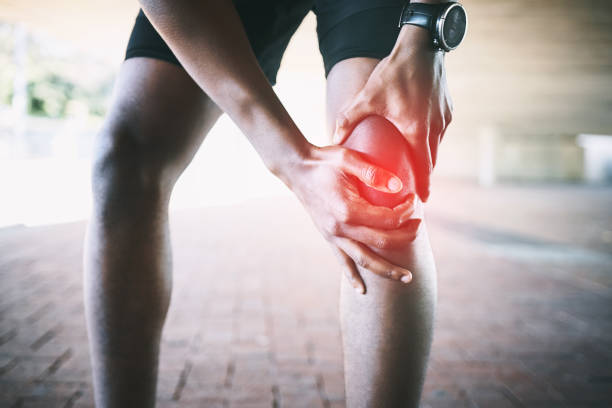
Joint pain and stiffness can make everyday activities such as walking, climbing stairs, opening containers or getting out of bed more difficult. For people living with arthritis, these symptoms may fluctuate, becoming worse after periods of inactivity or during flare-ups.
Although arthritis cannot always be cured, certain lifestyle changes and self-care measures can help ease symptoms, improve mobility and support quality of life. The most appropriate approach depends on the type of arthritis a person has and the severity of their symptoms.
Natural ways to relieve arthritis pain and stiffness
1. Keep moving with gentle exercise
When joints hurt, resting may seem like the best option. However, avoiding movement for long periods can increase stiffness and weaken the muscles that support the joints.
Gentle, low-impact activities such as walking, swimming, cycling and appropriate stretching can help maintain joint movement and muscle strength. People with arthritis should start gradually and choose activities suited to their abilities. Learn more about how staying active can help protect your joints and reduce arthritis
A physiotherapist can recommend exercises that protect affected joints while helping improve flexibility and mobility. If an activity causes severe pain or increases swelling, stop and seek professional advice before continuing.
2. Use heat or cold therapy
Heat and cold can provide temporary relief from different arthritis symptoms.
A warm shower or a warm compress may help loosen stiff joints, particularly in the morning. A cold pack may help ease pain and swelling during a flare-up.
Wrap heat packs and ice packs in a towel rather than placing them directly on the skin. Apply them for short periods, generally around 15 to 20 minutes, and avoid extreme temperatures that could cause skin damage.
People with reduced skin sensation or circulation problems should seek advice from a healthcare professional before using these methods.

3. Maintain a healthy weight
For people with osteoarthritis who are overweight, losing excess weight can reduce pressure on weight-bearing joints, particularly the knees and hips. Even modest weight loss may improve physical function and reduce pain.
A balanced diet containing vegetables, fruits, whole grains, legumes, healthy fats and suitable protein sources can support overall health. Combining healthy eating with regular, manageable physical activity may also help maintain a healthy weight.
However, weight loss is not a treatment for every form of arthritis, and people who are already at a healthy weight do not need to lose weight to manage their symptoms.
4. Eat a balanced, nutritious diet
No specific food has been proven to cure arthritis. However, a varied, balanced diet can support general health and help people maintain a healthy weight.
Meals that include vegetables, fruits, beans, whole grains, nuts, fish and unsaturated fats can form part of a healthy eating pattern. People with inflammatory arthritis should also discuss any dietary concerns with their healthcare team.
Be cautious about claims that particular foods, herbal mixtures or supplements can reverse joint damage or eliminate arthritis. Evidence for many supplements is limited, and some may interact with prescribed medicines.
5. Protect your joints during daily activities
Small changes to daily routines can help reduce unnecessary strain on painful joints.
Use both hands to carry heavier objects when possible, choose containers that are easy to open, and use supportive equipment if gripping or walking becomes difficult. Alternating demanding tasks with short breaks may also help prevent excessive fatigue.
Avoid staying in one position for too long. Changing positions and gently moving throughout the day can help prevent stiffness associated with prolonged inactivity.
6. Balance activity with rest
Pushing through significant pain can aggravate symptoms, but prolonged inactivity can also worsen stiffness and reduce muscle strength.
Try to spread demanding activities throughout the day, take breaks when needed and allow adequate rest during flare-ups. The goal is to remain as active as your condition allows without repeatedly overloading affected joints.
If symptoms regularly interfere with sleep, work or routine activities, a healthcare professional can help you develop a more suitable management plan.
When should you seek medical attention?
Natural approaches can complement medical care, but they should not replace appropriate diagnosis or treatment. Different types of arthritis require different management strategies.
Arrange a medical assessment if joint pain or stiffness persists, keeps returning, worsens or limits everyday activities. Early treatment is particularly important for inflammatory conditions such as rheumatoid arthritis, where appropriate medicines can help prevent joint damage.
Seek urgent medical attention if a joint suddenly becomes severely painful, hot or swollen, particularly if you also have a fever or feel generally unwell. These symptoms can indicate an infection or another condition requiring prompt treatment.


 English