

By Deborah Bamisaye
In episode 5, we talked about how diet and everyday habits can influence the gut microbiome. Today, as it concerns the gut, we will be talking about: The Often-Ignored “Old People’s Food” that May Work.
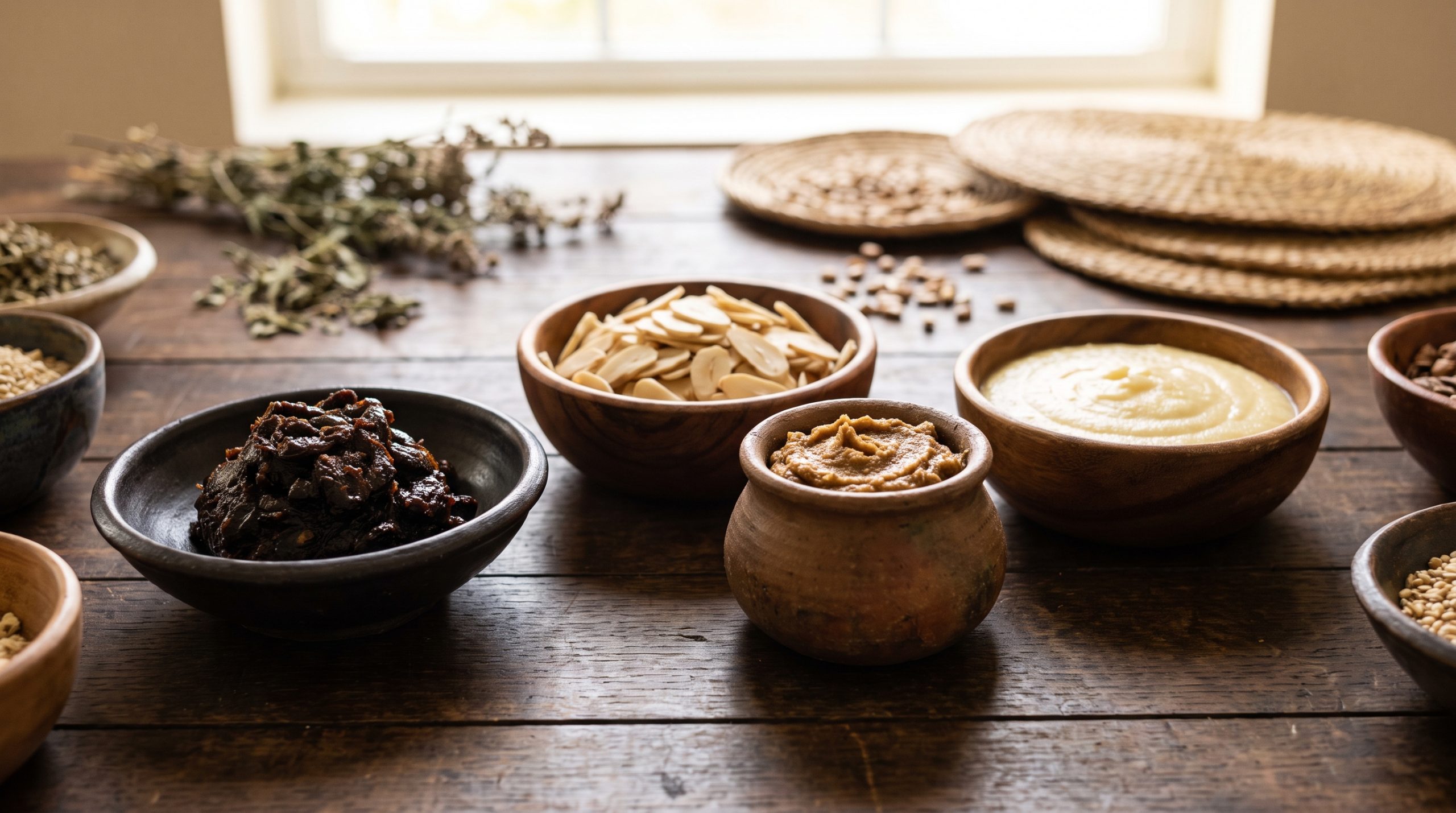
“Old people’s food!” Have you ever heard that expression? Maybe you have even said it yourself.
Iru? “Abeg, that one is old people’s food.”
Ugba? “Hmm… my grandmother used to eat that.”
Ogiri? “I hate the smell please!”
What about Ogi? That one has been around for so long that we hardly stop to ask why.
Now, wait a minute. What if we have been too quick to dismiss them? What if some of the foods we associate with our grandparents deserve another look, not because everything old is automatically healthy, but because science is beginning to take a much closer look at something our ancestors have been doing for generations – ‘Fermentation.’

Before “Gut Health” Became a Trend
Today, we hear words like: Probiotics, Microbiome, Gut-friendly, Fermented foods. They appear on labels, social media posts and wellness conversations everywhere but fermentation is not new. Long before the word microbiome became fashionable, people across different cultures were already fermenting foods, and Nigeria is no exception. Iru, Ugba, Ogiri, Ogi, Nunu and several other traditional fermented foods have been part of our food culture for generations. Our ancestors did not have microbiome sequencing machines. They did not sit around discussing beneficial bacterial strains. They simply knew how to transform food. That certainly deserves our applause.
What Exactly Happens During Fermentation?
Fermentation is not simply food “going bad.” It is a microbial process in which microorganisms transform components of food. During that process, they can produce acids, enzymes and other compounds, change the food’s flavour and texture, improve preservation, and sometimes make certain nutrients more available.
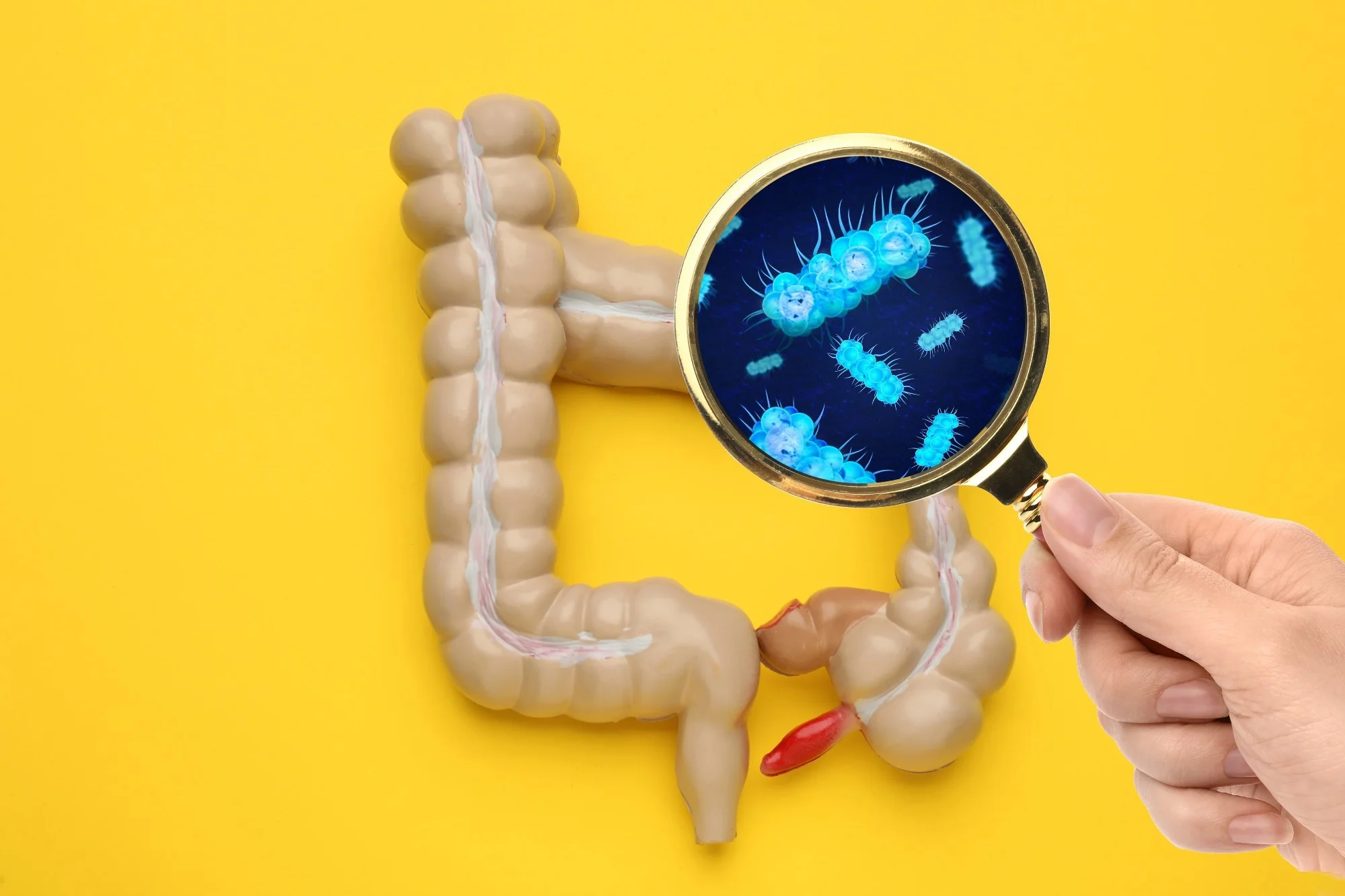
Do you know the part that connects directly to our silent CEO? Some fermented foods can interact with the gut microbiome. Researchers have found that fermented foods may influence the microorganisms already living in the gut, either through the microorganisms present in the food itself or through compounds produced during fermentation. Interesting, isn’t it? But hold on…
Fermented Does Not Automatically Mean “Probiotic”
This is where we must slow down. Not every fermented food is a probiotic. A probiotic has a much more specific scientific meaning: it contains live microorganisms that, when consumed in adequate amounts, have been shown to provide some health benefits. So, please don’t look at every fermented food and immediately declare: “Probiotic!”
Science Doesn’t Work that Way. The microorganisms, the fermentation process, the food itself, how it is stored and what happens to it before we eat it can all matter. Researchers are still studying many traditional fermented foods, particularly those whose microbial communities have not been fully characterized. That uncertainty doesn’t make these foods uninteresting. Rather, it makes them more interesting.
So, What About Iru and Ugba?

As you well know, Iru and Ugba are not laboratory inventions. They are part of our culinary heritage, and that alone makes them worth paying attention to, but let’s be careful. We cannot honestly say: “Eat iru and your gut will become healthy.” Nor can we say: “Ugba is a probiotic, therefore it will cure your digestive problems.” No! What we can say is more exciting: These traditional fermented foods contain microbial communities and fermentation-derived compounds that deserve scientific attention for their potential nutritional and biological effects. We still leave room for science to speak. Isn’t it?
And Here’s the Twist…
Perhaps the real problem is not that our traditional foods have disappeared. Perhaps it is that we stopped asking questions about them. We became fascinated by fermented foods from other cultures because they came with impressive names. – Kefir – Kimchi – Kombucha – Sauerkraut. Meanwhile, some of our own traditional foods were quietly sitting in our kitchens. – Not glamorous. – Not packaged in beautiful wellness bottles. – Not marketed as a “superfood” – Just… food… traditional food. – Food that had been transformed through fermentation long before we started putting the word microbiome on posters.
Still, there is One Important “BUT”
Let’s not romanticize tradition either. Old does not automatically mean healthy. Traditional foods must still be prepared, stored and handled safely. WHO reminds us that a healthy diet must also be a safe diet, free from harmful microbial and chemical contamination. So, our message should never be: “Grandma did it, therefore it must be safe.” Rather: “Grandma may have known something worth investigating, and science should help us understand it properly.” Now, that is a conversation worth having, don’t you think so?
Maybe the Future is Hiding in the Past
WHO’s current healthy-diet guidance emphasizes diversity and encourages diets built around a variety of nutritious foods, including vegetables, fruits, legumes and whole grains, while limiting highly processed foods, excess free sugars, unhealthy fats and salt. So perhaps the lesson isn’t: “Eat fermented foods and forget everything else.” No! The lesson is: Don’t let modern convenience make you forget the value of dietary diversity and the wisdom hidden in traditional food cultures.
Your gut does not need a trendy food simply because Instagram says it is “gut-friendly.”
- It needs a balanced diet.
- It needs variety.
- It needs fibre-rich foods and perhaps, for some traditional fermented foods, the gut may also benefit from what fermentation brings to the table.
Talking About Research
And this is not merely speculation. Nigerian researchers have actually gone looking for the microorganisms involved in these traditional foods. In 2000, Abiodun Sanni of the University of Ibadan and colleagues examined 45 samples of iru, ugba and ogiri collected from markets in Southwestern Nigeria. They isolated 97 strains of bacteria belonging to the genus Bacillus, with Bacillus subtilis being the most common. But researchers did not stop at simply finding the bacteria.

In studies of ugba, Nigerian scientists used selected B. subtilis cultures to ferment African oil bean seeds and observed substantial changes in fermentation activity, including increases in protease activity and amino-nitrogen. In other words, the microorganisms were not merely sitting inside the food; they were actively transforming it.
More recent research has taken an even closer look at iru and ogiri. Scientists analyzed 227 bacterial isolates from different stages of their processing and found that bacteria related to Bacillus dominated many of the fermentation stages. The researchers concluded that these findings could help identify organisms suitable for developing more controlled and microbiologically safe fermentation processes. So yes, there is real science behind the old people’s food.
Nigerian health and nutrition voices have also drawn attention to traditional fermented foods such as iru, ogiri, ugba and ogi as foods worth retaining in our diets. The important point, however, is to appreciate them as part of a varied diet rather than turn them into miracle foods.
So, the Next Time Someone Says…
“That’s old people’s food.” Don’t laugh too quickly. Ask: “But what if the old people knew something we are only beginning to understand?” You see, the next big discovery in gut health may not always come wrapped in shiny packaging; it may be sitting quietly in a Nigerian kitchen – in a bowl; – in a pot, – or on a plate – waiting for us to look at it again.
- Not with blind faith.
- Not with exaggerated claims.
- But with curiosity, because, you see, the future of health may not begin with discovering something completely new.
Sometimes…it begins with taking a second look at what we thought we already knew and perhaps, that old food deserves more than our laughter. Perhaps…it deserves our attention.
What traditional Nigerian food did your grandmother use? Omo, I believe there will be more to this conversation.Let’s begin from where we stopped – the next time. Until then, bye!


 English