
The red alert issued recently by the Lagos State Consumer Protection Agency, LASCOPA, should jolt the entire country awake.
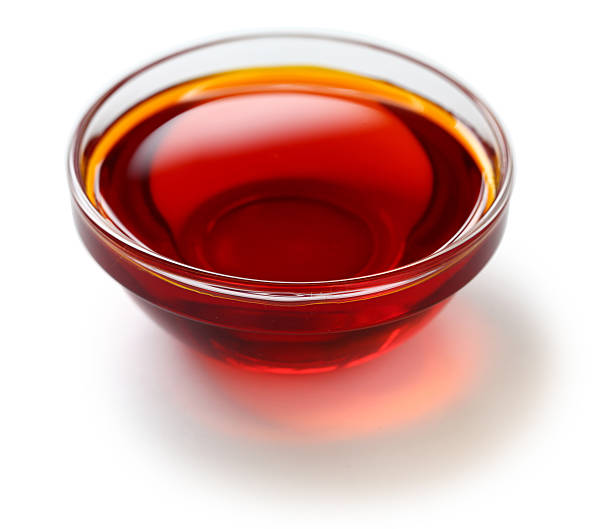
At the Lagos State Food Safety Conference on September 21, 2026, the state warned that sophisticated adulterated palm oil is flooding markets across Lagos. The warning followed a paper by Dr. Nurah Oseni of Auchi Polytechnic, who revealed a dangerous trend in our most common staple. She explained that palm oil is vulnerable because of high demand, preference for deep-red colour as quality, and informal practices. Traders now use carcinogenic Sudan and Azo dyes to enhance colour, blend fresh oil with spent recycled oil, and create mixtures to evade checks. LASCOPA General Manager Afolabi Solebo has intensified surveillance and vowed prosecution, but Lagos alone cannot win this war.
This is a national emergency that demands NAFDAC’s intervention. LASCOPA’s mandate ends at Lagos borders but the trade does not. Oil adulterated in Edo or Cross River ends up in Mushin and Kano within days. Only NAFDAC has the mandate, laboratory capacity and national presence for a nationwide sweep, testing and traceability. What Lagos found is likely the tip of the iceberg. Nigeria needs coordinated sampling from markets and mills, lab confirmation because visual checks cannot confirm adulteration, and enforcement to trace oil from producer to retailer. Without NAFDAC leading, we will have fragmented responses to a national poison.
The health implications are grave because this is slow poison in the pot. Sudan dyes are industrial dyes used for shoe polish and textiles, not food. Ghana’s FDA has warned that Sudan dye is unsafe and linked to cancer. When ingested, these dyes are classified as genotoxic and carcinogenic. The body metabolizes them into amines that damage DNA and trigger tumours of the liver and bladder, while chronic exposure damages the liver and kidneys. Spent recycled oil is equally dangerous, loaded with compounds linked to heart disease and cancer. Nigerians consume palm oil daily, so this is cumulative poisoning that manifests years after profit is made.
This is coming when Nigeria already faces a cancer crisis. GLOBOCAN 2024 shows Nigeria recorded 152,261 new cases in 2024, with 62,602 in men and 89,659 in women. Africa recorded 1,187,697 cases and 721,629 deaths in 2024, and Nigeria accounts for about 10.5 percent of the burden. Other estimates put Nigeria’s cases at over 120,000 yearly with close to 80,000 deaths from breast, prostate, cervical and liver cancers. With nearly 90 percent of health spending out of pocket, families are pushed into ruin whenever a diagnosis is made. We cannot afford to add preventable food induced cancers.

This scandal exposes deeper failures. It reveals a trust deficit where fraud thrives because deep-red is mistaken for purity, while honest sellers lose. It exposes regulatory gaps where unbranded oil in open kegs bypasses registration. It also exposes economic desperation where high prices drive criminal innovation. If palm oil, the soul of Nigerian cuisine, cannot be trusted, no food can. The crisis threatens nutrition, market confidence and livelihoods of genuine farmers.
Nigeria is not alone. In Ghana in April 2026, seven women were arrested in Koforidua after surveillance found Sudan IV in palm oil traced to producers in Akyem Maase. Ghana’s FDA has intensified surveillance and prosecution. In the United Kingdom, the Food Standards Agency recalled Ghanaian palm oil containing Sudan IV, warning it was unsafe. The European Union flagged contaminated oil in 2015, leading to import suspensions and port testing. Those governments contained the crisis through testing, prosecution not just fines, sensitization that authentic oil may separate into layers with orange lower layer rather than uniformly deep red, and traceability requiring invoices.
For Nigeria, the solutions must be comprehensive. NAFDAC must conduct emergency sampling in all six zones with results made public. It must adopt tiered detection involving rapid tests and confirmatory analysis as proposed by Dr. Oseni. Enforcement must involve prosecution under the Public Health Act where closure is not enough and jail term must follow. Government must support honest producers through certified traceable clusters and subsidized testing, while launching education in Pidgin and local languages to buy from trusted sources and report suspicious oil.
The Lagos warning is an eye opener that tells us the poison is here before it kills en masse. NAFDAC must not wait for a body count. It must move from reaction to prevention – from Lagos markets to every market in Nigeria. Our palm oil must be red with carotene, not red with cancer.


 English