
By Deborah Bamisaye
It never raises its voice
It never argues
It never chases anyone
In fact, most people consider it one of the most useful items in the home, office, classroom and waiting room. Yet every day, it quietly takes something away from millions of people. And what could that be? – It’s a chair!
Yes, the very object supporting your body right now may be demanding a price you never agreed to pay. No! Stop! I don’t mean it that way; do not throw your chair out of the window. ‘Relax – the chair is not evil. ‘Hear me out first, will you?
Actually, the problem begins when sitting becomes a lifestyle instead of a temporary position. That was what I was trying to say, not to throw the chair out! You see, the human body was built for movement. Just imagine buying a brand-new car and parking it in your garage for months. The engine is never started; the wheels never turn; The parts remain unused. Would that car perform at its best? Probably not.
The Human Body Faces a Similar Challenge:
Our muscles, joints, heart and circulation systems were designed to move. Walking, stretching, bending, standing and changing positions are part of the natural language that the body understands. When movement disappears, the body begins to notice.
The Silent Theft Begins
Unlike an injury, prolonged sitting does not usually announce itself dramatically.
It starts quietly
A stiff neck here
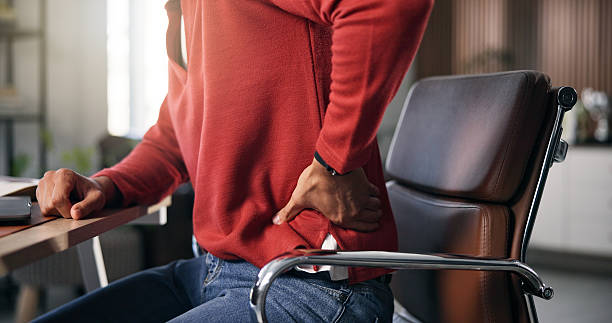
A tired back there
An afternoon slump
A little less energy
A little more discomfort
Nothing alarming
Nothing urgent
Yet over time, the small withdrawals begin to add up. That is why prolonged sitting has attracted the attention of health researchers around the world.

When Sitting Becomes a Full-Time Occupation
Many people wake up and move from one chair to another.
A chair at breakfast
A chair in traffic
A chair at work
A chair at school
A chair in front of the television
A chair before bedtime
Hours pass, movement disappears; the body pays attention not because sitting is bad, but because the body was never designed to remain still for such long periods.
The Circulation Problem
Think of blood as a delivery service. Every second, it transports oxygen and nutrients throughout the body and movement helps keep that system active. When people remain seated for long periods, circulation can become less efficient, particularly in the lower parts of the body. This is one reason experts often encourage regular movement throughout the day.
The Muscle Problem
Muscles enjoy being used. When certain muscles remain inactive for long periods, they gradually become weaker. The result may appear as poor posture, discomfort, stiffness or reduced flexibility. Many people blame age but sometimes the real culprit is inactivity.
The Mind Notices Too
The effects of prolonged sitting are not always physical. Anyone who has spent hours sitting in one position knows the feeling:
– The mind becomes sluggish
– Concentration begins to wander
– Energy drops.
– The body may be sitting, but productivity often sits down with it.
A Simple Solution Hidden in Plain Sight
The good news is that the solution does not require expensive equipment.
The body simply needs regular opportunities to do what it was designed to do. Find a way to: – Move – Stand – Stretch – Walk – Change position – Interrupt long periods of sitting. Sometimes the most powerful health interventions are not found in a bottle – they are found in habits.
Nigerian doctors and public health experts consistently encourage regular physical activity as part of preventing lifestyle-related diseases. They warn that prolonged sitting, physical inactivity, and a lack of exercise contribute to the growing burden of hypertension, obesity, type 2 diabetes, heart disease, and other non-communicable diseases in Nigeria. Their message is simple: movement is medicine. Whether through walking, stretching, household activities, or structured exercise, regular movement helps protect both physical and mental health.
The consensus among health professionals is that the goal is not to fear chairs, but to avoid allowing sitting to dominate the day. A few minutes of movement repeated throughout the day can make a meaningful difference.
The World Health Organization (WHO) encourages adults to reduce sedentary behaviour and engage in regular physical activity because physical inactivity is associated with increased health risks. The message is not that chairs are dangerous. The message is that chairs make terrible landlords. So, what do you do with the chairs? Throw them away? No! Just:
§ Visit them
§ Use them
§ Appreciate them
§ Just do not let them own your day
The good news is that your health is not trapped in a chair. It is waiting in every step you take, every stretch you make, and every moment you choose movement over stillness. So, when you finish reading this, stand up, walk a little, and remind your body of something it was created to do: MOVE! Your future self will thank you for every step you start taking today.
I am counting on you to rise from that chair, not just for a moment, but for your health; not at all, I did not forget you guys! I will be discussing about workers in offices, who sit – working to meet deadlines, working on their computers for hours and so on. Of course, there is a way out for you too. The answers would be in the next edition of PharmaTimes. Just ensure you don’t miss it.
See you soon!

 English