

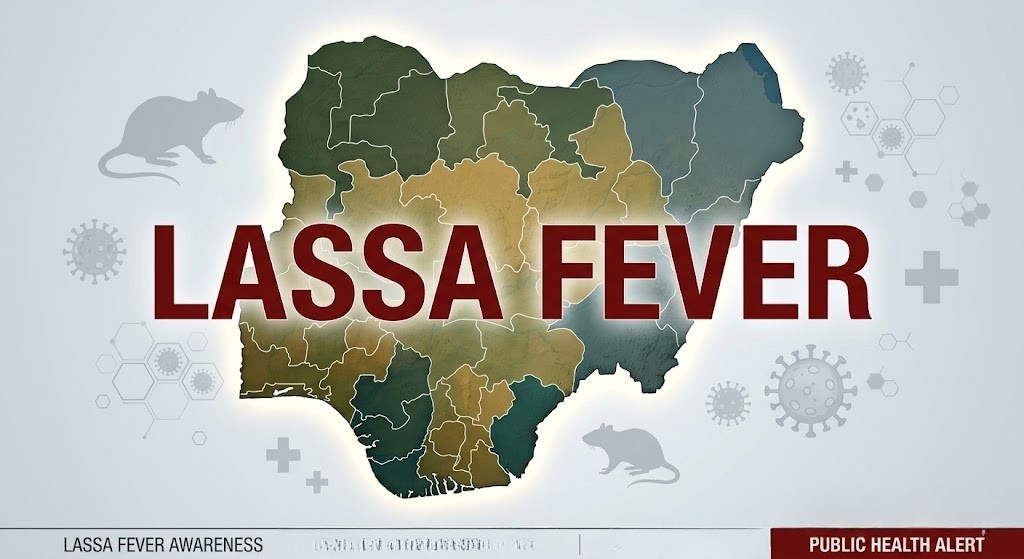
Nigeria has recorded at least 204 deaths and 793 confirmed cases of Lassa fever. According to the latest data from the Nigeria Centre for Disease Control and Prevention (NCDC), the outbreak spans 23 states and 108 Local Government Areas (LGAs), holding a high cumulative Case Fatality Rate (CFR) of 25.7%. In this Cover Story PharmaTimes Editor MORGAN NWANGUMA continues to monitor the special pathogen of concern – in the prevailing weeks, and makes an update. He writes that the contagion has almost obstinately continued to spread – leaving out just a few states of the federation from the presence of the deadly rodent transmitted disease.
As of Epidemiological Week 19 (May ending) 2026, a total of 793 confirmed Lassa fever cases, with 5,034 suspected, five probable cases and 204 deaths, have been reported across 23 states in Nigeria for 2026. This includes cases in health workers. Again, experts have continued to express apprehension over the characteristics of the 2026 outbreak owing to the continued infection of healthcare workers. As of the period in review, about 45 healthcare workers have been infected, including physicians, with reported deaths among clinical staff.
Present Epidemic Status
Even though weekly confirmed cases have dropped slightly from 22 to 17, Suspected Cases or Total suspected infections have climbed up to 4,963 across the country while 5 states – Bauchi, Ondo, Taraba, Edo, and Benue have remained as High-Burden States with heavy concentrations of the infections; they make up for over 80% of all confirmed cases in the country. Also in this outbreak, it is estimated that up to 80% of infections may be asymptomatic, which suggests that the true burden of the disease may be significantly under-recognised. Asymptomatic infection complicates surveillance efforts and increases the potential for undetected transmission, particularly in household and healthcare settings.
Healthcare-associated transmission remains a critical risk, particularly in settings where early case recognition is delayed or infection prevention and control (IPC) measures are inconsistently applied. Lassa virus spreads through direct contact with blood, tissues, secretions, or other bodily fluids, placing frontline healthcare personnel at heightened risk.
Healthcare and Government Response
Lassa fever is caused by Lassa virus (LASV), an arenavirus endemic to West Africa. It is primarily transmitted through exposure to food or household items contaminated by urine or faeces of infected rodents (Mastomys species).
Human-to-human transmission can occur through direct contact with blood, tissues, secretions, or excretions of infected individuals, particularly in healthcare settings where exposure to bodily fluids is more likely.

Because symptoms can range from mild to severe, and many infections may be asymptomatic, early recognition and strict adherence to infection prevention and control measures are essential.
Meanwhile a presidential directive has gone out from the Presidency, calling for increased public vigilance and stricter adherence to safety protocols, especially as we consider the intractable Ebola virus disease (EVD) currently making a fierce comeback in DR Congo.
The current Lassa fever epidemic has continued to put a significant strain on the frontline medical personnel. Medical staffers in their dozens have suffered considerably as many have been infected with multiple fatalities being recorded among clinical staff.
Experts report a preparedness deficit as a recent assessment indicates that Nigeria is just at 59% state of preparedness for managing haemorrhagic threats, resulting in overstretched facilities and medical fatigue.
There is the case of non availability of vaccine: even though clinical trials via readiness programmes like the Enable Study are ongoing, but there is still no licensed preventive vaccine available anywhere in Nigeria.
Advisory and Preventive Measures
The NCDC warns of the presence of rodents within and around the habitation and so advises that you endeavour to eliminate rodents by any means you can muster especially in these times – to avoid getting infected: Keep homes clean and set rat traps to block the Mastomys rat reservoir.
Protect Food Supplies by making sure that you store every food item in tightly sealed, rodent-proof containers.
Be careful with Fluid Contacts to avoid them – stay away from of any direct contact with the bodily fluids of sick individuals.
Individuals have been advised to seek early treatment by visiting a medical centre without delay if they happen to experience symptoms such as fever, fatigue, headaches, vomiting, or unexplained bleeding. It’s been proven that quick intervention such as early antiviral treatment making use of ribavirin significantly improves survival outcomes.
You should also make sure you report cases you find around you – by calling the NCDC’s toll-free emergency hotline at 6232 to flag suspected cases.



 English