
By Morgan Nwanguma
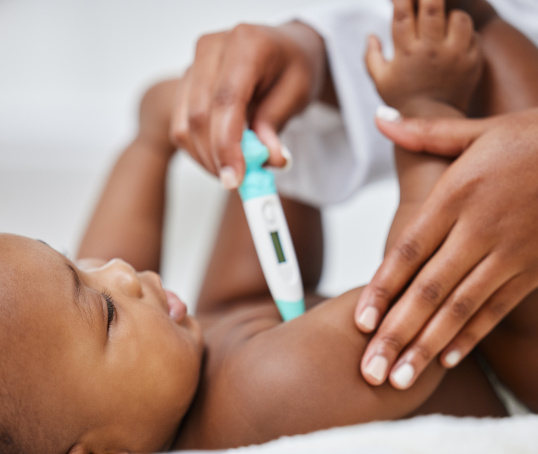
According to experts, teething can slightly raise your baby’s body temperature, but it does not cause a true fever (38° C or higher). Any high temperature is usually a sign of an underlying illness, such as a viral infection, and should be treated accordingly.
“Each baby’s development may differ, from when teeth start coming in to how they react to the discomfort of teething,” says José C. Polido, DDS, MS, attending dentist in CHLA’s Division of Dentistry and Orthodontics.
“On average, infants start teething around 6 months old, but some babies might have teeth come in as early as 3 months, while others may not see a full set of 20 primary teeth until they are 3 years old,” Polido stated.
Teething vs. True Fever
Waiting for the thermometer to beep can feel endless when your baby has a fever. The good news is that most infant fevers can be managed at home with simple steps to help keep your child comfortable and gradually lower their temperature.
· Teething: May cause a low-grade temperature around (37.2° C) to (37.7° C), sore gums, drooling, and mild crankiness.
· True Fever (>38° C ^): Is typically caused by an infection and often presents with other symptoms like a runny nose, cough, vomiting, or diarrhoea.
How to Soothe a Teething Baby
If your baby is fussy or uncomfortable, experts advise that you try these safe home remedies:
· Gum Massage: Gently massage their gums with a clean finger.
· Chilled Items: Give them a firm, rubber teething toy, a clean cold pacifier, or a chilled wet washcloth to chew on.

· Pain Medication: Consult your paediatrician before giving any pain relievers. If approved, you can use infant paracetamol (acetaminophen) or ibuprofen.
· What to Avoid: Skip homeopathic teething necklaces and topical numbing gels (like those containing benzocaine), which carry safety risks.
When to Call a Doctor
When Is a Fever Too High for a Baby?
Keeping track of your child’s temperature is important. Contact a doctor if:
· Your baby is younger than 3 months old and has a fever above 38°C.
· Your child’s fever repeatedly rises above 40°C.
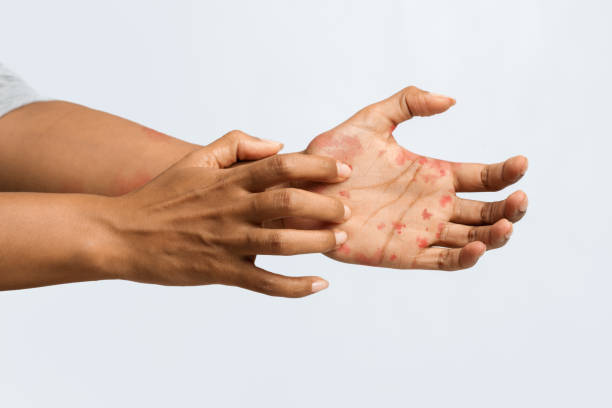
· Your child develops symptoms such as a severe headache, intense sore throat, serious ear pain, repeated vomiting or diarrhea, an unexplained rash, or a stiff neck.
· Your child is under 2 years old and the fever lasts longer than 24 hours.
· Your child is older than 2 years and the fever continues for more than 72 hours.
How to Help Reduce Your Baby’s Fever
Bringing down a fever can take time. These home care tips may help your child feel more comfortable:
· Give your child a lukewarm sponge bath, but stop if shivering begins.
· Encourage plenty of fluids to help prevent dehydration.
· Dress your child in lightweight clothing and keep the room cool and comfortable.
· Allow your child to rest. In most cases, there is no need to wake a sleeping child just to give fever medicine.
· Be patient — many fevers improve on their own within two to three days.
When to Consider Fever Medicine
If your child has a fever and seems uncomfortable, fever-reducing medicines such as Acetaminophen or Ibuprofen may help.
If your child is younger than 2 years old, speak with your doctor before giving fever medication.
Contact your paediatrician if your baby’s rectal temperature reaches 38° C or higher. You should also seek medical attention if your baby has a true fever that lasts longer than 24 hours or if they exhibit symptoms like:
· Diarrhoea or vomiting
· Refusal to feed
· Unusual lethargy or difficulty waking up
· A rash on the body
 English