

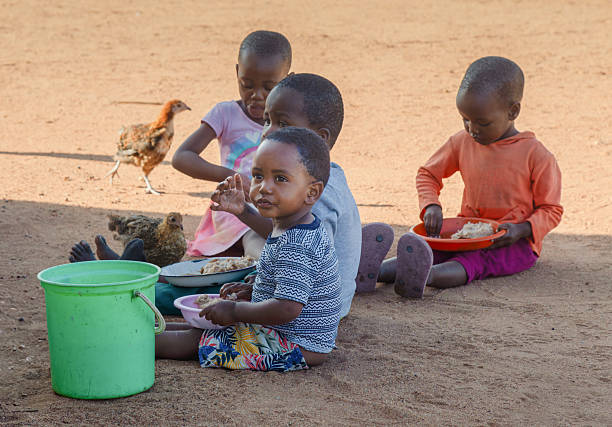
The World Health Organization (WHO) has revealed that unsafe food causes an estimated 866 million illnesses and 1.5 million deaths worldwide every year, with children under five facing the greatest risk. According to new global estimates released ahead of World Food Safety Day, young children are nearly three times more likely to become ill from contaminated food than older children and adults.
Although children under five make up only 9% of the world’s population, they account for almost one-third of all foodborne disease cases. WHO noted that diarrhoeal diseases remain a major threat to this age group, while exposure to contaminants such as lead and methylmercury can result in lifelong neurological and developmental problems.
The report found that biological hazards including bacteria, viruses and parasites were responsible for approximately 860 million foodborne illnesses in 2021. However, chemical contaminants accounted for 73% of food-related deaths, with inorganic arsenic and lead emerging as the leading contributors.
WHO also highlighted the economic burden of unsafe food, estimating that foodborne diseases resulted in about US$310 billion in lost productivity globally in 2021. The burden remains highest in Africa and South-East Asia despite overall progress in reducing foodborne diseases since 2000.
The agency called for stronger food safety measures, improved sanitation and hygiene practices, safer food processing methods, and better access to healthcare to reduce preventable illnesses and deaths linked to contaminated food.


 English