

By Evans Matthews
For decades, the global response to human papilloma virus (HPV) has been framed largely as a women’s health issue. Yet a growing body of evidence is challenging that narrative, revealing significant disease burden and untapped prevention opportunities among men. As policymakers reassess priorities, the intersection of public health gaps and market expansion is reshaping the future of HPV vaccination worldwide.
HPV remains the most common sexually transmitted infection globally and is linked not only to cervical cancer but also to penile, anal, and oropharyngeal cancers affecting men. Each year, an estimated 60,000 cancer cases in males are attributable to HPV, underscoring a burden that has long been underestimated. As one public health researcher notes, “HPV is not just a women’s issue, it is a shared viral risk with unequal attention.”
Despite this, global vaccination strategies have historically prioritized girls aged 9–14, a policy rooted in cervical cancer prevention. The World Health Organization continues to recommend females as the primary target group, with boys and men considered secondary – only if resources allow. This hierarchy has created a structural policy gap, particularly in low-and-middle-income countries where vaccine supply and funding are constrained.
“The reality is that many countries are still struggling to reach girls,” says a global immunization advisor. “Expanding to boys is often viewed as a luxury, not a necessity.” Yet this perspective is increasingly being questioned. Evidence shows that HPV vaccination can prevent over 90% of related cancers, and extending vaccination to males offers both direct protection and broader population-level benefits.
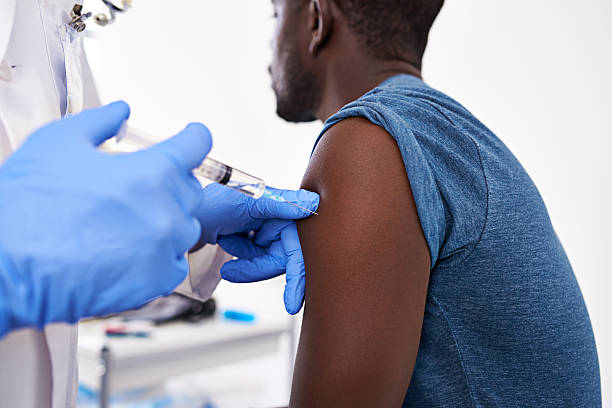
Recent studies highlight the consequences of excluding men from routine programs. In high-risk age groups, particularly males aged 25–29, HPV prevalence peaks, yet vaccination policies often leave them unaddressed. One large meta-analysis found that vaccinating males significantly reduces infection rates, with measurable population-level benefits even in settings with moderate female coverage. As one researcher involved in the study observed, “Relying solely on herd immunity is insufficient; male vaccination fills a critical gap.”

This policy lag is also shaping the commercial landscape. The global HPV vaccine market is expanding rapidly, driven by rising awareness of HPV-related cancers in men and a gradual shift toward gender-neutral vaccination strategies. Countries such as Australia, the United Kingdom, and the United States have already adopted inclusive policies, offering vaccines to both boys and girls through school-based programs.
Pharmaceutical companies are responding in kind. The development of broader-spectrum vaccines such as the nonavalent formulations targeting multiple HPV strains, has increased both clinical value and market demand. At the same time, public-private partnerships and global health initiatives are working to scale access in underserved regions, particularly across Africa and Southeast Asia.
However, barriers remain. Cost continues to be a major constraint, especially in low-resource settings, where expanding vaccination to males may strain already limited budgets. Infrastructure challenges, vaccine hesitancy, and low awareness among men further complicate uptake. “Men often don’t perceive themselves at risk,” notes a vaccine program coordinator. “That perception gap is one of our biggest challenges.”
Looking ahead, the push for gender-neutral vaccination is gaining momentum, not only as a matter of equity but also as a strategic imperative for disease elimination. The WHO’s broader goal of reducing HPV-related cancers globally may ultimately depend on closing the policy gap that has left males on the periphery.
As health systems evolve, one message is becoming increasingly clear: protecting men is not a diversion from the fight against HPV; it is essential to winning it.



 English