
By Morgan Nwanguma
A major UK study involving more than 165,000 dementia patients has revealed concerning new evidence about risperidone, a commonly prescribed treatment for severe agitation. The research found that the drug increases the risk of stroke across all patient groups – including those with no prior history of heart disease or stroke – challenging the long-standing assumption that some individuals may be safer candidates than others.
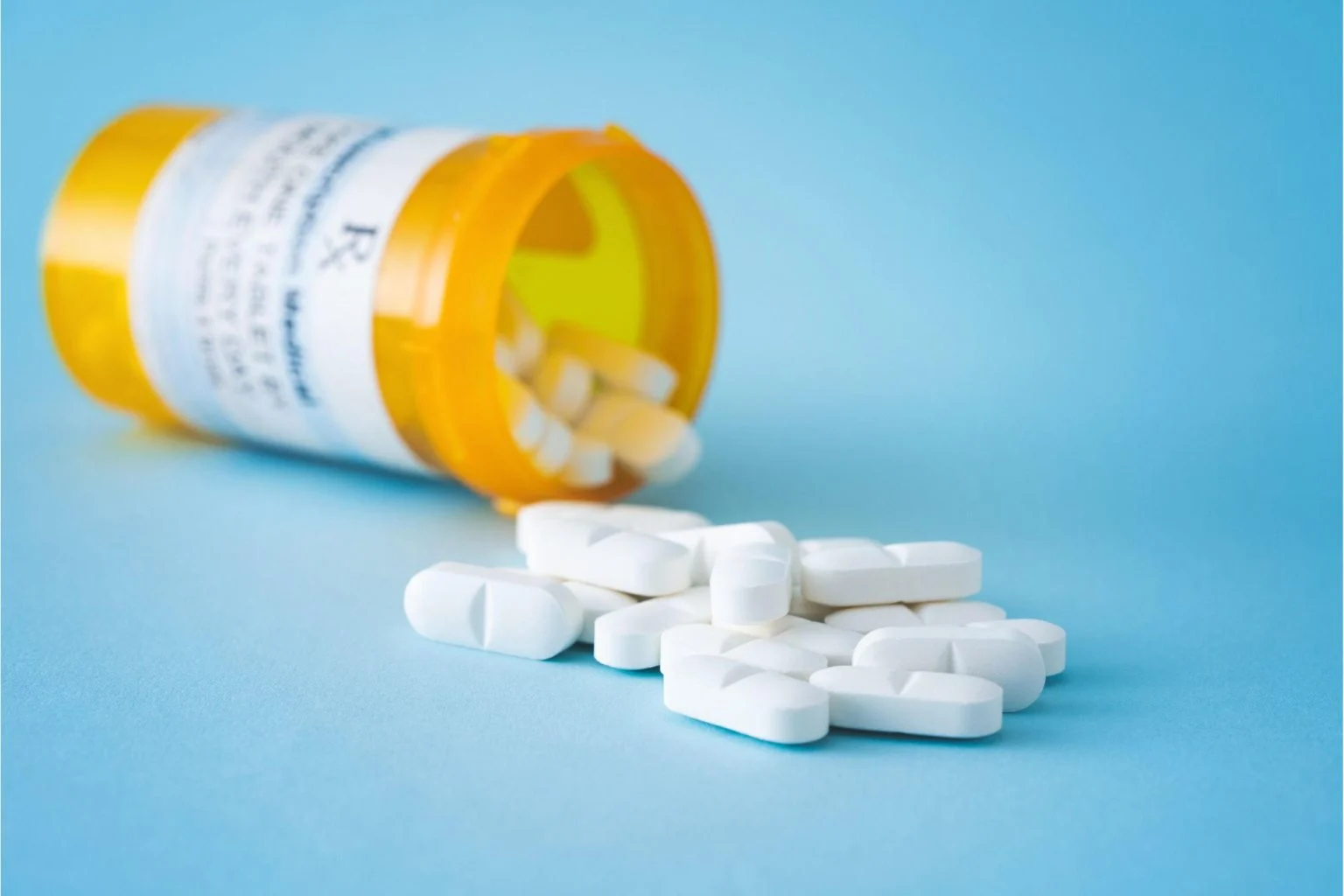
Risperidone, a potent antipsychotic, is often used as a last resort when dementia patients exhibit extreme agitation or aggressive behaviour. In care homes especially, it is frequently prescribed when non-drug interventions fail to manage distressing symptoms. Notably, it remains the only medication of its kind officially licensed for use in dementia patients in the UK.
However, the findings suggest that its risks may be more widespread than previously believed. According to the study, patients taking risperidone faced an elevated risk of stroke regardless of their medical history, raising fresh concerns about how the drug is prescribed and monitored.
Published in the British Journal of Psychiatry, the research is likely to prompt renewed scrutiny of current treatment practices and could lead to calls for changes in clinical guidelines.
One of the most striking aspects of the study was the consistency of the risk. Researchers observed that the increased likelihood of stroke was evenly distributed across different patient groups, with no clearly identifiable “low-risk” category.
“We knew Risperidone causes stroke, but we didn’t know whether some groups of people might be more at risk than others. We thought if we might identify characteristics that make people more at risk, doctors could avoid prescribing to patients with those characteristics,” said Dr. Byron Creese of Brunel University of London.
Roughly half of people living with dementia experience agitation, a symptom that can cause significant distress for both patients and their caregivers. When behavioural therapies and other non-drug approaches prove ineffective, doctors may turn to risperidone as a last-resort treatment.
These findings underscore the difficult choices faced by clinicians and families alike. While the drug can help manage severe agitation, it also carries the risk of serious side effects, including stroke – forcing a careful balance between potential benefits and harm.

Limited Alternatives and Inconsistent Monitoring
Risperidone is widely used to control aggression and acute agitation, but it has long been associated with an increased risk of stroke, particularly in older adults. Despite this known risk, there is still no dementia-specific guidance outlining how patients should be monitored while on the medication.
Current recommendations from the National Health Service advise limiting risperidone use to a maximum of six weeks for severe symptoms. In practice, however, many patients remain on the drug for longer periods, and monitoring standards can vary across regions.
According to Dr. Creese, there are currently no licensed alternative medications in the UK for treating severe agitation in dementia patients. As a result, doctors must clearly communicate the potential risks and benefits before initiating treatment.
It is also important to note that individuals who have previously experienced a stroke are inherently at higher risk of another. Therefore, if a stroke occurs after starting risperidone, the drug may not always be the sole cause. In most cases, clinicians prescribe it only after other treatment options have been exhausted.
“These findings give clearer information about who is most at risk, which helps everyone make more informed choices. Every decision should be based on what is right for each person, through honest conversations between doctors, patients, and families,” said Dr. Creese.
How Researchers Assessed Stroke Risk
The research team analyzed anonymized health records from the National Health Service, covering the period from 2004 to 2023. They compared dementia patients who had been prescribed risperidone with similar patients who were not taking the medication.
Among individuals with a prior history of stroke, the annual rate per 1,000 person-years increased to 22.2% in those using risperidone, compared with 17.7% in those who were not.
For patients with no previous stroke, the overall risk was lower but still significant. Stroke rates were 2.9% among those taking risperidone, versus 2.2% in those who were not on the drug.
The researchers also observed that stroke risk appeared to be higher during shorter treatment periods, particularly within the first 12 weeks of use.
“We hope that these data can be used in updated guidance that is more person centered and based on particular patient characteristics,” said Dr. Creese.


 English