
By Evans Matthews
Pregnancy is often described as a journey of hope and anticipation. Yet for millions of women around the world it can also carry serious health risks. Among the most dangerous but often preventable, are pre-eclampsia and hypertension in pregnancy – conditions that continue to threaten maternal and newborn health globally. Health experts agree that early detection, proper monitoring, and timely treatment can make the difference between life and death.
Hypertension in pregnancy refers to high blood pressure that develops during pregnancy. One of its most severe forms is pre-eclampsia, a condition characterized by high blood pressure and signs of damage to organs such as the liver or kidneys. It typically develops after the 20th week of pregnancy and can escalate rapidly if not properly managed.
According to global health estimates, hypertensive disorders in pregnancy are responsible for a significant portion of maternal deaths worldwide each year. They also increase the risk of premature birth, low birth weight, and complications for newborns.
“Pre-eclampsia is one of the leading causes of maternal mortality, yet it is also one of the most preventable with early diagnosis and proper care,” says Dr. Maria Gonzales, a maternal health specialist who has worked across Africa, Asia, and Latin America.
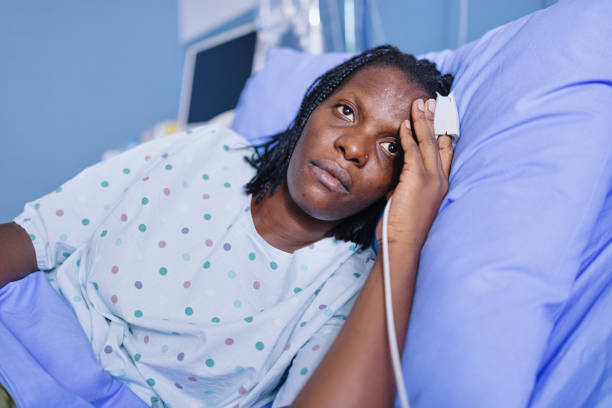
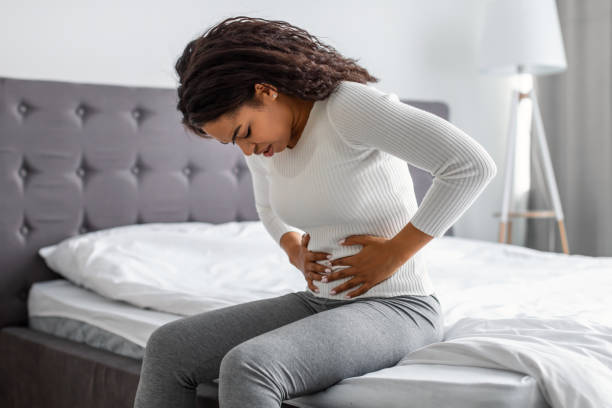
The challenge lies in the fact that symptoms may initially appear mild or go unnoticed. Early warning signs may include persistent headaches, swelling of the hands and face, blurred vision, nausea, and sudden weight gain. In many cases, however, the first indication is elevated blood pressure detected during routine antenatal visits.

This is why regular prenatal care remains one of the most powerful tools for prevention. Blood pressure checks, urine tests for protein, and routine clinical assessments help healthcare providers identify risk factors before complications arise.
“Many lives could be saved if every pregnant woman had access to consistent antenatal monitoring,” explains midwife and maternal health advocate Grace Oladipo. “When we catch the warning signs early, we can intervene before the condition becomes severe.”
Globally, disparities in healthcare access make the fight against pregnancy-related hypertension uneven. In high-income countries, advanced screening and emergency care have dramatically reduced maternal deaths. In lower-income regions however, women often face barriers such as limited healthcare facilities, long travel distances, or lack of awareness about pregnancy complications.
Public health campaigns are increasingly focusing on education as a key strategy. Expectant mothers are encouraged to attend all antenatal appointments, maintain healthy diets, monitor weight gain, and report unusual symptoms immediately.
Partners, families, and communities also play a vital role. Support systems can help pregnant women seek medical attention promptly and reduce delays that might otherwise lead to severe complications.
“Maternal health is not just a medical issue, it’s a social priority,” notes global health policy researcher, Dr. Ibrahim Adewale. “When communities invest in maternal care, they protect two lives at once: the mother and the child.”
Advances in medical treatment have improved outcomes dramatically. Medications to control blood pressure, careful monitoring of fetal development and timely delivery when necessary, can prevent most fatalities associated with pre-eclampsia. In severe cases, early delivery of the baby may be required to safeguard the mother’s health.
The message from the global medical community is clear: awareness and early detection are essential.
Every blood pressure check, every prenatal appointment, and every informed decision contributes to safer pregnancies and healthier families. As experts emphasize, when pre-eclampsia and hypertension in pregnancy are identified early, lives are not only saved, they are given the chance to thrive.

 English