

By Deborah Bamisaye
I could see some women beaming with smiles and some level of satisfaction over the fact that: Men also have their own share of what I’ll like to call the ‘…Pause-pie.’ It gives them satisfaction that, ‘No be only them waka come,’ only if you understand what I mean though. Generally, we are tempted to believe that men would now easily understand the weight of the females’ own symptoms and be even more empathetic when they pass through them. Now that nature has shared it to both male and female, are there any differences? If you are new here, this is the second time we are looking into this topic. To get the proper flow of things, grab a copy of the last edition and you will surely be glad.
Menopause for women, Andropause for men, so what could possibly be the difference between these ‘…Pause-pies.’ Should both genders expect it at about the same age-range, does it present the same symptoms and so on? I’m sure everyone would like to know, so let’s do the thinking and asking for you here, shall we:
Does andropause in men set in early, just like menopause in some women?
Yes, but not in the same way. You see, men do not experience a sudden hormonal shutdown like women do in menopause. Instead, testosterone in men declines gradually, usually starting from the late 30s to early 40s, at an average rate of about 1% per year. Some men feel symptoms early, some much later, and some not at all.
So, while menopause is sudden and universal, andropause is slow, variable, and not inevitable.
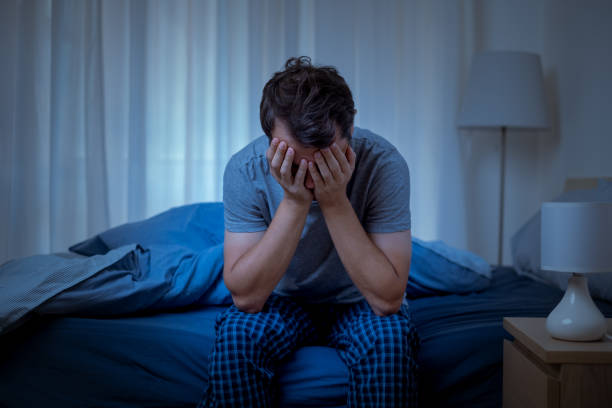
Men may begin to notice changes such as reduced energy, lower libido, mood changes, reduced muscle mass, increased abdominal fat, poor sleep, or reduced motivation – but this happens over decades, not suddenly.
Are there Triggers for Early Onsets?
Of course! Lifestyle, stress, chronic illness, obesity, alcohol use, and poor sleep can make these symptoms appear earlier.
I have heard of Hypogonadism too. What is the difference between it and Andropause?
They may have somethings in common but they remain completely different. Put it like this: Andropause is an age-related, gradual decline in testosterone. It is part of normal aging, not a disease.
Hypogonadism, on the other hand, is a medical condition. It means the testes (or the brain signals controlling them) cannot produce enough testosterone, regardless of age.
Let’s draw a distinct line between them as follows:
Andropause:
a. Happens gradually with age.
b. Testosterone declines slowly.
c. Testes still function, just less efficiently.
d. Not all men are affected.
e. Often managed with lifestyle changes.
Hypogonadism:
a. Can occur at any age, even in young men.
b. Testosterone is abnormally low.
c. Caused by testicular failure, pituitary problems, genetics, infection, trauma, or certain medications.
d. It often requires medical treatment.
In short:
– Andropause is aging-related.
– Hypogonadism is pathological. A man in his 20s or 30s with very low testosterone is not in andropause – he likely has hypogonadism.

Let’s take the last question for today.
What’s the difference between men’s and women’s “pauseS”?
1. Menopause (Women)
Menopause is the permanent end of ovulation and menstruation due to ovarian failure.
It usually occurs between 45–55 years.
Key features:
a. Estrogen drops suddenly.
b. Ovulation stops permanently.
c. Menstruation ends.
d. Fertility ends completely.
e. Symptoms can be intense and abrupt (hot flashes, night sweats, mood swings).
f. Once menopause happens, it is irreversible.
2. Andropause (Men)
Andropause is a gradual hormonal decline, not a shutdown.
Key features:
a. Testosterone declines slowly.
b. Sperm production continues.
c. Fertility may reduce but does not end.
d. No clear “start date.”
e. Symptoms are subtle and progressive.
f. Men can still father children well into old age.
I will be completing this part by telling you why the confusion exists.
Confusion, why?
The confusion comes from using the word “pause” for men, which is misleading.
– Women’s reproductive system stops.
– Men’s reproductive system slows down.
A better medical term for men is late-onset testosterone deficiency, not “male menopause.” In any case and whatever their symptoms are or how they affect both genders, they are both medically called: Menopause and Andropause. You gerrit? Great!
Trust you learnt a thing or two today. I cannot wait to have you here next month, for the concluding edition on this topic.



 English