

By Bamisaye Deborah
‘Same Kin’ – ever heard that before? ‘Of same kin’ could be preferred grammatically but we will stay with ‘Same Kin’ right here because what we are about to learn today has something to do with those words. In this edition, we will be considering: ‘seSAME & pumpKIN seeds’ – there you go, can you see the ‘Same Kin’ phrase right there? At least, it will help you ‘remember’ the exact names to call them, when you approach their sellers.
So, fasten your seat belts as we go on a ride, exploring Sesame and Pumpkin Seeds.
I trust you would agree with Dr. Tobossi on his Sesame Seeds recommendation.
Dietitian Dr. Tobossi, director of the Dietotherapy Cabinet NFS-Togo and frequently cited in West African health discussions relevant to Nigerian contexts, recommends two to four spoonfuls of sesame seeds daily without additives to aid waste elimination from the body. He states that sesame seeds benefit those with hypertension, diabetes, joint issues, nerve problems, palpitations, cramps, blurred vision, and insomnia due to their rich antioxidants, fiber, proteins, lipids, minerals, vitamin B6, and unsaturated fatty acids from sesame oil. Dr. Tobossi highlights that the oil regulates blood sugar, lowers blood pressure via magnesium, inhibits harmful cholesterol with phytosterols, supports skin elasticity with zinc, reduces skin cancer risk, prevents atherosclerosis through sesamol’s anti-inflammatory properties, combats cancer cells with phytic acid and magnesium, alleviates anxiety and stress, improves infant growth and sleep when massaged with the oil, aids eye health especially with black varieties, and prevents asthma spasms.
Did your jaw just drop? You are not alone you know! So much to learn here today, I believe some things would be added to our kitchen table. Come along, let’s dive deeper.

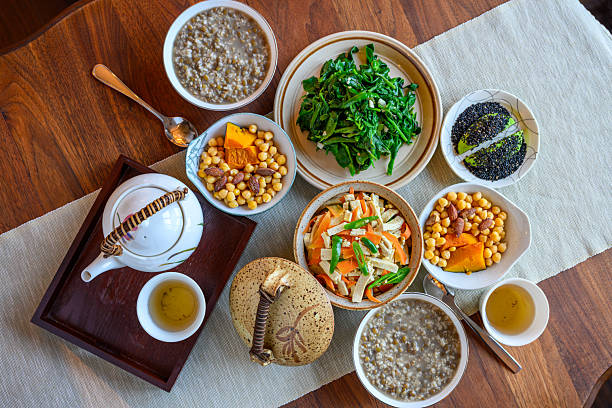
Sesame seeds (both black and white varieties) and Pumpkin seeds (also called pepitas)
Sesame seeds (both black and white varieties) offer numerous nutritional benefits. They are rich in protein, healthy fats, and dietary fiber, which support heart health by reducing LDL cholesterol and stabilizing blood sugar levels. They are excellent sources of essential minerals like calcium, magnesium, phosphorus, and manganese that promote bone health. Sesame seeds also provide valuable B vitamins (such as thiamin, niacin, riboflavin, vitamin B6, and folate), iron, and copper, supporting immune function and blood cell formation. Additionally, they contain antioxidants and anti-inflammatory compounds that help protect against chronic diseases and reduce inflammation.
For pumpkin seeds (also called pepitas) though research is still ongoing, but they are commonly known to be high in magnesium, zinc, protein, iron, and healthy fats. They have antioxidant properties and contribute to heart health, prostate health, and immune support.
Are there black and white sesame seeds? Absolutely! Let’s explore the nutritional difference:
Black sesame seeds and white sesame seeds have similar nutritional profiles but with some important differences mainly due to the presence of their hulls.
– Black sesame seeds retain their outer hull, making them richer in fiber and antioxidants, especially lignans such as sesamin and sesamol. This contributes to stronger anti-inflammatory and anti-aging benefits. They also have significantly higher calcium content (about 975 mg per 100 g) compared to white sesame (60-100 mg per 100 g), as well as more iron and magnesium.
This makes black sesame seeds especially good for bone health, metabolism, and immune support.
– White sesame seeds are usually hulled, resulting in a softer texture and milder taste but some loss of fiber and nutrient density. They still provide healthy fats, protein, B vitamins, and minerals but in slightly lower amounts than black sesame. Their calorie content is marginally lower, and they contain slightly more omega-6 fats.
In other words, black sesame seeds offer a higher antioxidant load, more fiber, and greater mineral content like calcium and iron than white sesame seeds, making them a more nutrient-dense choice, while white sesame seeds are softer with a milder flavor suitable for certain culinary uses. Both varieties contribute valuable nutrients to the diet, supporting heart and bone health, immunity, and overall wellness.
“Do we consume them raw? How do we prepare them?” You are asking two questions at the same time. Be calming down! Trust me, I will not conclude without telling you the ‘How!’ So, here you go:
Sesame seeds and pumpkin seeds both contain phytic acid that can hinder mineral absorption, so the best preparation combines soaking or sprouting to reduce it, followed by low-heat roasting to enhance digestibility and flavor without destroying nutrients.

For sesame seeds, start by soaking black or white varieties in cool water overnight (about 8-12 hours) at room temperature, using twice the volume of water to cover them fully; this breaks down phytic acid for better uptake of calcium, iron, and lignans. Rinse thoroughly, then dry-roast them in a dry skillet over medium-low heat for 2-3 minutes, stirring constantly until lightly golden and aromatic – remove from heat immediately to avoid burning, as their oils conduct heat quickly. Alternatively, spread on a baking sheet and oven-roast at 350°F for 5-10 minutes, stirring halfway; this releases antioxidants and improves bioavailability of healthy fats and B vitamins.
Pumpkin seeds (pepitas) benefit most from soaking in water for 4-8 hours or sprouting for up to 12 hours with periodic rinsing to maximize absorption of zinc, magnesium, and iron. Pat dry completely to prevent mold, then toss lightly with a bit of olive oil and roast at 300°F for 30-45 minutes on a baking sheet, stirring every 15 minutes for even crispness, this preserves enzymes and boosts antioxidant levels without nutrient loss. For raw preservation, dehydrate at 115°F for 12-24 hours after soaking.
Consume 1-2 tablespoons daily of either prepared seed, added to smoothies, salads, or Nigerian dishes like oats or stews, to support your heart health and nutrition interests—always chew well or grind for optimal digestion.
So, ready to take the path that leads to lasting health through seeds? I knew you would say, ‘Yes!’
Let’s see more in the next edition. Bye!



 English