
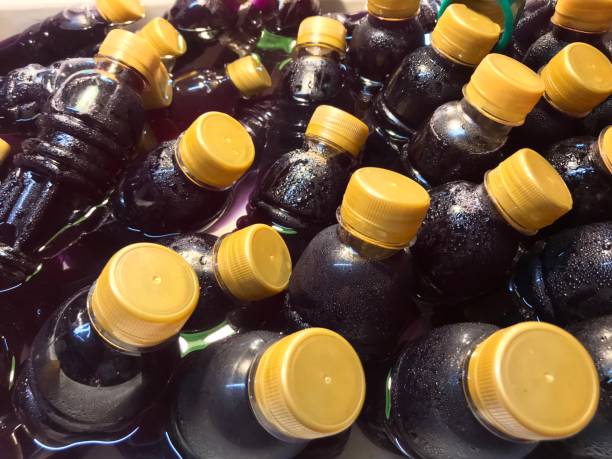
Anyone planning to package zobo for commercial sale in Nigeria must first obtain registration from the National Agency for Food and Drug Administration and Control (NAFDAC), which has reiterated that packaged locally produced beverages, including zobo and tigernut drinks, must meet its registration and safety requirements before entering the market.
NAFDAC’s Resident Media and Communication Consultant, Sayo Akintola, disclosed this in an exclusive interview with PUNCH Healthwise published on November 15, 2026.
According to Akintola, the registration requirement applies to businesses of all sizes involved in manufacturing, importing, distributing or selling products within NAFDAC’s regulated categories. He explained that manufacturers are required to submit product samples for laboratory analysis to verify their safety and ensure that the products meet the necessary standards.
Akintola warned that businesses selling regulated products without the required registration could face enforcement measures, including seizure of their products, closure of production facilities and prosecution under applicable federal laws.
The clarification follows public reactions to a viral video showing police officers questioning a woman selling bottled zobo drinks over the absence of a NAFDAC registration number and product labels.
However, NAFDAC had previously clarified that ordinary zobo sold in containers without packaging, sealing and labelling does not fall under its regulatory oversight.
The agency’s spokesperson, Christiana Obiazikwor, explained in an earlier interview that the regulatory requirement applies when the drink is packaged, sealed, and labelled for commercial sale.
The distinction means that the registration requirement is directed at packaged beverage products rather than every individual selling freshly prepared zobo in ordinary containers.
NAFDAC’s position reinforces the need for locally produced packaged beverages to meet established regulatory and safety requirements before reaching consumers.
For small-scale beverage manufacturers looking to expand their businesses and distribute their products commercially, understanding and complying with these requirements is an important part of entering the regulated food market.



 English