

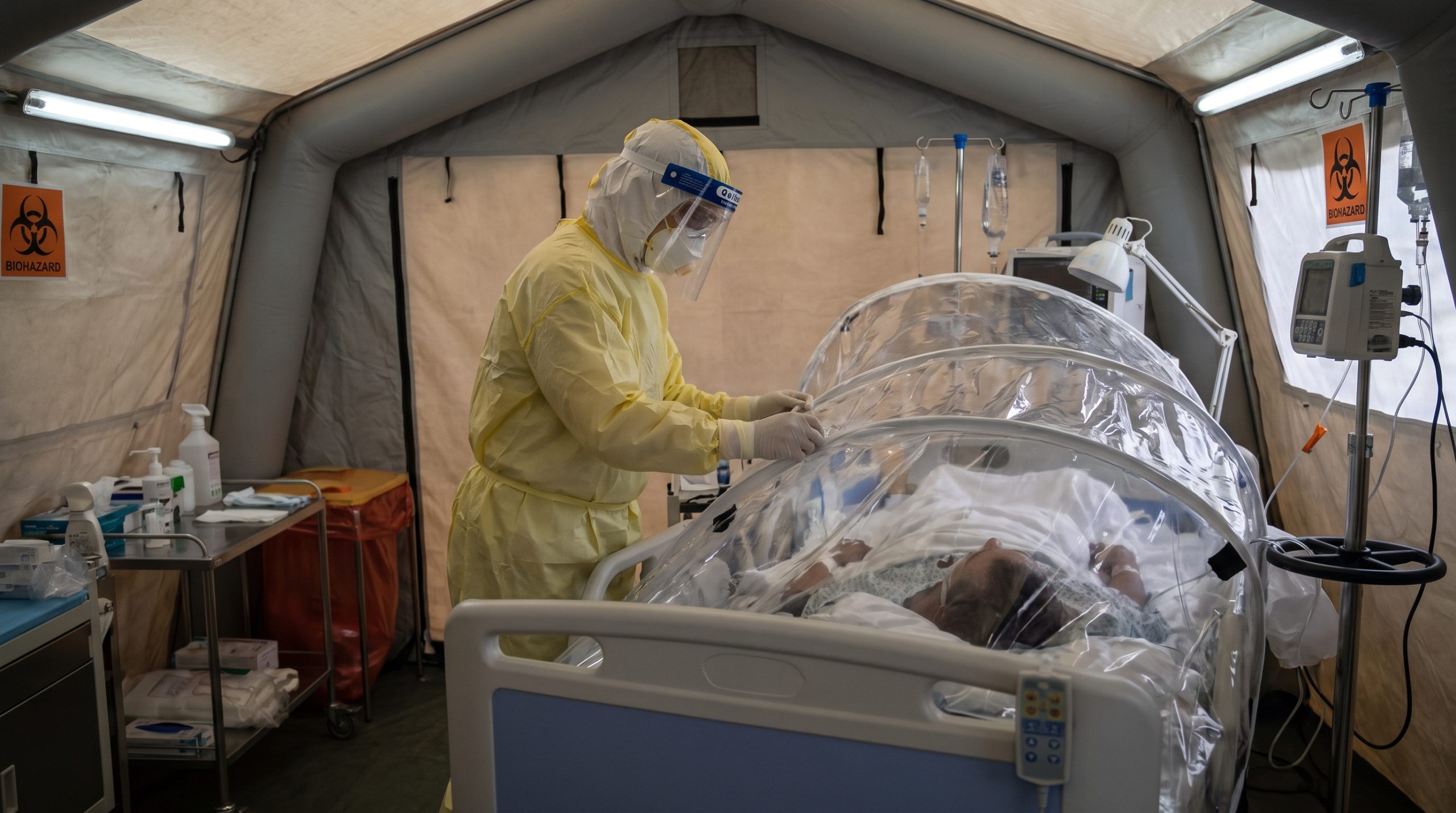
Nigeria is monitoring 44 people identified as potential contacts of a woman diagnosed with Ebola Bundibugyo virus disease in Abuja, as health authorities work to prevent further transmission.
The Federal Government confirmed the case on Tuesday, October 20, 2026, following laboratory testing of the woman, who had recently travelled to Nigeria through Uganda.
According to the World Health Organization (WHO), the patient developed symptoms on October 7 and sought medical attention at a private health facility in Abuja on October 11. Laboratory tests confirmed the infection on October 20. She is currently receiving treatment in isolation.
The 44 identified contacts include people whose possible exposure is being assessed as part of the public health response. Health authorities are tracing their movements and monitoring them for symptoms that could indicate infection.
According to reporting by Premium Times, Coordinating Minister of Health and Social Welfare Muhammad Ali Pate said the identified contacts would remain isolated for at least three weeks while their exposure risks are assessed.
Read more about France’s first diagnosed Ebola patient recovering after treatment.
Why Are the Contacts Being Monitored?

Ebola has an incubation period of two to 21 days, meaning symptoms may take up to three weeks to appear after infection. Monitoring potential contacts during this period helps health authorities detect suspected infections promptly and limit further transmission.
Being identified as a contact does not mean that a person has contracted the virus. Authorities have not reported that any of the 44 identified contacts has tested positive.
The WHO said investigations are ongoing to establish the likely source of the infection and reconstruct the patient’s travel and exposure history. Her travel through Uganda does not, by itself, establish where she contracted the virus.
The Federal Ministry of Health and Social Welfare, the Nigeria Centre for Disease Control and Prevention (NCDC) and other relevant authorities are coordinating surveillance and response measures, including infection prevention and control at healthcare facilities.
Ebola Bundibugyo virus disease can cause fever, headache, muscle pain, weakness, vomiting and diarrhoea. The virus spreads through direct contact with the blood or other bodily fluids of an infected person who has developed symptoms, or through contaminated materials.
Health authorities have urged healthcare facilities to remain vigilant, promptly isolate suspected cases and report them to the appropriate public health authorities. Members of the public who suspect they have been exposed should seek guidance from health officials rather than attempt to assess their risk independently.
The confirmation of one case does not establish widespread transmission in Abuja. Findings from contact tracing and continued surveillance will help determine whether additional infections have occurred.



 English