

By Steven O. Mukoro
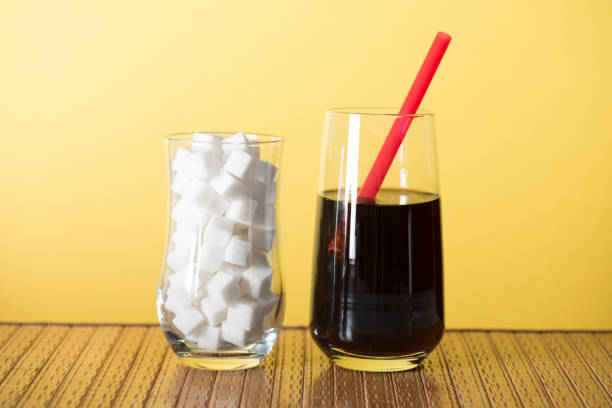
People who consumed at least one sugar-sweetened beverage daily had approximately 2.45 times the risk of developing gastric cancer compared with those who rarely drank such beverages, according to a long-term study involving more than 112,000 U.S. adults.
The research, conducted by investigators at the Mass General Brigham Cancer Institute, found no similar association among people who consumed artificially sweetened drinks. However, the researchers cautioned that the findings do not establish that sugary beverages directly cause cancer.
The study was published in Gastro Hep Advances.
Study Examines Decades of Dietary Habits
Sugar-sweetened beverages are a common part of the American diet, with approximately 65% of U.S. adults reporting that they consume at least one such drink each day.
Previous studies have linked sugary drinks to an increased risk of certain cancers, including colorectal, breast and liver cancers. However, less was known about their possible relationship with gastric cancer.
To investigate, researchers analysed data from 112,284 participants in the Nurses’ Health Study and the Health Professionals Follow-Up Study. These large, long-running studies collected detailed information about participants’ diets, lifestyles and health over several decades.
During the follow-up period, 278 participants developed gastric cancer.

“This is the first study to demonstrate an association between sugar-sweetened beverage intake and gastric cancer in a U.S. population,” said senior author Andrew T. Chan, MD, MPH, a gastroenterologist and epidemiologist at the Mass General Brigham Cancer Institute.
He noted that gastric cancer is the fifth leading cause of cancer death worldwide, while relatively little is known about how diet may contribute to the disease.
Daily Consumption Associated With 2.45-Fold Higher Risk
After adjusting for other factors that could influence gastric cancer risk, the researchers found that participants who consumed at least one serving of a sugar-sweetened beverage each day had a 2.45-fold higher risk of developing gastric cancer than those who consumed fewer than one serving per month.
The association was observed in both men and women.
Higher overall consumption of fructose, a major sugar found in many sweetened beverages, was also associated with a greater incidence of gastric cancer.

Among women participating in the Nurses’ Health Study, those who consumed more than one sugar-sweetened beverage per day had a 3.04-fold higher risk of gastric cancer compared with women who rarely consumed such drinks.
The researchers examined several types of sugar-sweetened beverages, including carbonated drinks, punch, lemonade and sports drinks.
Artificially Sweetened Beverages Showed No Similar Association
The findings differed for artificially sweetened beverages.
After accounting for other potential risk factors, the researchers found no significant association between greater consumption of artificially sweetened drinks and gastric cancer incidence.
For the purposes of the study, artificially sweetened beverages were defined as low-calorie carbonated drinks.
The absence of an observed association does not establish that these beverages protect against gastric cancer or are free of other health risks.
Investigating the Role of H. pylori
The researchers also examined whether infection with Helicobacter pylori (H. pylori) could help explain the relationship between sugary drinks and gastric cancer.
H. pylori is a bacterium known to increase the risk of gastric cancer.
Information about participants’ H. pylori status was available for a subset of 940 people. Slightly more than one-third showed evidence of infection. However, the researchers found no association between sugar-sweetened beverage consumption and H. pylori infection in this subgroup.
Why the Findings Require Caution
The study was observational, meaning that it identified a relationship between beverage consumption and gastric cancer risk but could not prove cause and effect.
People who consume sugary drinks frequently may differ from infrequent consumers in other ways that influence cancer risk. Although the researchers adjusted for several potential confounding factors, some may not have been fully accounted for.
The study also had limitations, including incomplete information about participants’ H. pylori status and family histories of gastric cancer.
In addition, the participants were predominantly white, which limits how confidently the findings can be applied to other racial and ethnic groups.
Nevertheless, the study’s large sample size and detailed information on diet, lifestyle and health over many years enabled researchers to investigate the association while accounting for numerous potential risk factors.
Further Research Needed
The findings add to growing research into the relationship between sugary beverages and cancer. However, further studies will be needed to determine whether the observed association can be replicated in other populations and to establish the biological mechanisms that might explain it.
For now, the research highlights a possible link between frequent sugar-sweetened beverage consumption and gastric cancer risk, but it does not demonstrate that drinking these beverages directly causes the disease.
Authorship: In addition to Chan, Mass General Brigham authors include Tae-Geun Gweon, Jane Ha, Hanseul Kim, Mengxi Du, and Mingyang Song.
Funding: This work was supported by R35 CA253185, U01 CA261961, R01CA263776, and a Stand Up to Cancer Gastric Cancer Interception Dream Team award.
Disclosures: Chan served as a consultant for Pfizer Inc. and Boehringer Ingelheim and received grant support from Freenome Holdings outside the submitted work.



 English