

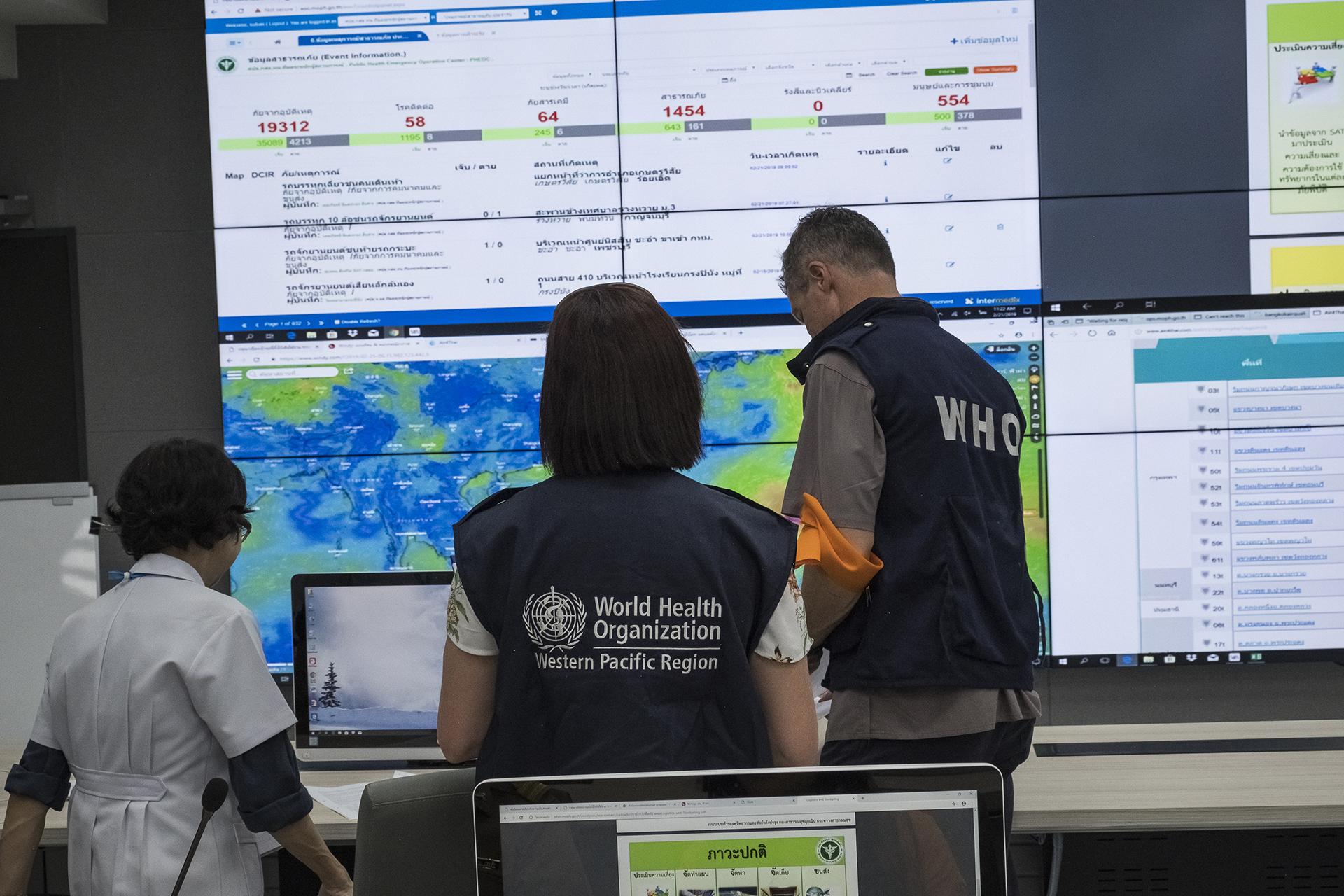
The World Health Organization (WHO) has launched a new five-year strategy aimed at helping every country detect and understand emerging health threats within 24 hours of their appearance by 2030.
The strategy, announced on 12 October 2026 in Berlin, Germany, seeks to strengthen global disease surveillance and improve countries’ ability to identify potential outbreaks before they escalate into major epidemics or pandemics.
According to WHO, the initiative builds on the work of its Hub for Pandemic and Epidemic Intelligence, established in 2021 following gaps in global preparedness exposed by the COVID-19 pandemic. The organization says achieving the target will require stronger surveillance systems, scientific collaboration, sustained investment and the responsible use of digital technologies.
How AI Could Help Countries Detect Disease Outbreaks Faster

Artificial intelligence is expected to play an important role in the strategy through the Epidemic Intelligence from Open Sources (EIOS) platform. The system scans thousands of publicly available sources daily to identify signals that could indicate emerging health threats.
WHO reports that the platform is already being used by more than 125 Member States and 30 regional and international organisations, supported by a global community of over 4,000 experts.
The strategy also prioritises genomic surveillance, which helps scientists identify and understand pathogens, alongside data modelling and collaboration between public health experts.
Another component will focus on secure digital systems that enable countries and partners to share, analyse and use health information while supporting the responsible adoption of artificial intelligence. These efforts are intended to help authorities recognise potential threats earlier, assess risks and make better-informed public health decisions.
WHO’s Pandemic and Epidemic Intelligence Hub has worked with 160 Member States and 190 partner organisations since its establishment, bringing together scientists, policymakers and public health institutions.
However, the organization acknowledges that achieving its 2030 ambition will depend on sustained funding, trusted partnerships and cooperation across countries and sectors.
Faster detection alone does not guarantee that an outbreak will be contained. Countries also need the laboratory capacity, trained personnel, reliable reporting systems and resources required to investigate threats and respond effectively.
The new strategy therefore places early warning within a broader effort to strengthen global health security and reduce the risk of emerging infectious diseases developing into larger public health emergencies.

 English