
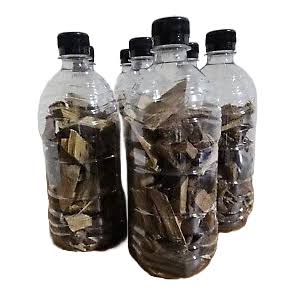
For many Nigerians, taking agbo when fever, body pains or weakness sets in is a familiar practice. Some people turn to herbal mixtures before visiting a hospital, while others use them alongside conventional medicines. But when the illness is malaria, can a herbal remedy provide the treatment the body needs?
The answer depends on the specific preparation and the evidence supporting its safety and effectiveness. A mixture being made from plants does not automatically mean it is safe or capable of curing malaria.
The World Health Organization (WHO) recommends testing people with suspected malaria before treatment, using a rapid diagnostic test or laboratory microscopy. This is important because fever, headache and body pains can also occur with other illnesses. Treating the wrong condition may delay the care a patient actually needs.

What Nigerians Should Know Before Using Herbal Remedies for Malaria
One major concern with some locally prepared herbal mixtures is that consumers may not know the exact ingredients, their concentrations or the appropriate dose. Where products lack reliable quality controls, it may also be difficult to establish whether the contents are consistent or contaminated.
The risks are not necessarily the same for every herbal preparation. However, people should be cautious about consuming unidentified mixtures, particularly when the seller cannot provide clear information about the ingredients, safety and proper use.
There is also the question of combining herbal remedies with conventional medicines. Some plant ingredients can interact with medicines, potentially affecting how they work or increasing the risk of unwanted effects. Anyone considering using an herbal product alongside prescribed treatment should speak with a qualified healthcare professional.
Another important issue is relying on herbal mixtures without confirming the cause of an illness. Malaria can become severe if effective treatment is delayed. Symptoms that seem like malaria may also be caused by other infections or medical conditions, making proper assessment essential.
According to WHO guidance, artemisinin-based combination therapies are among the recommended treatments for uncomplicated Plasmodium falciparum malaria. WHO does not recommend using plant material from Artemisia annua, including teas, tablets or capsules, as a substitute for proven malaria treatment.
This does not mean every traditional remedy is harmful. Rather, claims that a particular preparation can prevent or cure malaria need credible evidence of its safety and effectiveness. Familiarity, tradition and personal testimonials are not enough to establish that a treatment works.
Anyone experiencing symptoms that could indicate malaria should get tested and follow the advice of a qualified healthcare professional. People who have already started taking herbal mixtures should disclose this when seeking care, especially if they are also using other medicines.
Seek urgent medical attention if symptoms become severe, or if there is confusion, convulsions, difficulty breathing or reduced consciousness.
Herbal medicine remains part of healthcare practices in many communities. The important question is not simply whether a remedy is natural, but whether its ingredients, quality, safety and effectiveness are known. When malaria is suspected, testing and timely access to effective treatment remain essential.



 English