

The growing movement of food and agricultural products across African borders is creating new challenges for regulators, as countries work to ensure that food remains safe as it moves through increasingly connected supply chains.
The issue was highlighted at the Third African Food Regulatory Authorities Forum (AFRAF) in Cairo, Egypt, where food regulators from across the continent discussed ways to improve cooperation and coordination. The meeting was held from September 30 to October 2, 2026.
Nigeria’s Director-General of the National Agency for Food and Drug Administration and Control (NAFDAC), Prof. Mojisola Adeyeye, called for stronger collaboration among African food regulatory authorities to address challenges linked to cross-border trade, food fraud, climate change, technological developments and interconnected food supply chains.
Why cross-border food trade matters for consumers

As food products move between countries, regulators may have to deal with different regulatory requirements, testing systems and surveillance capacities. This can make it more difficult to share information quickly when a food safety concern emerges.
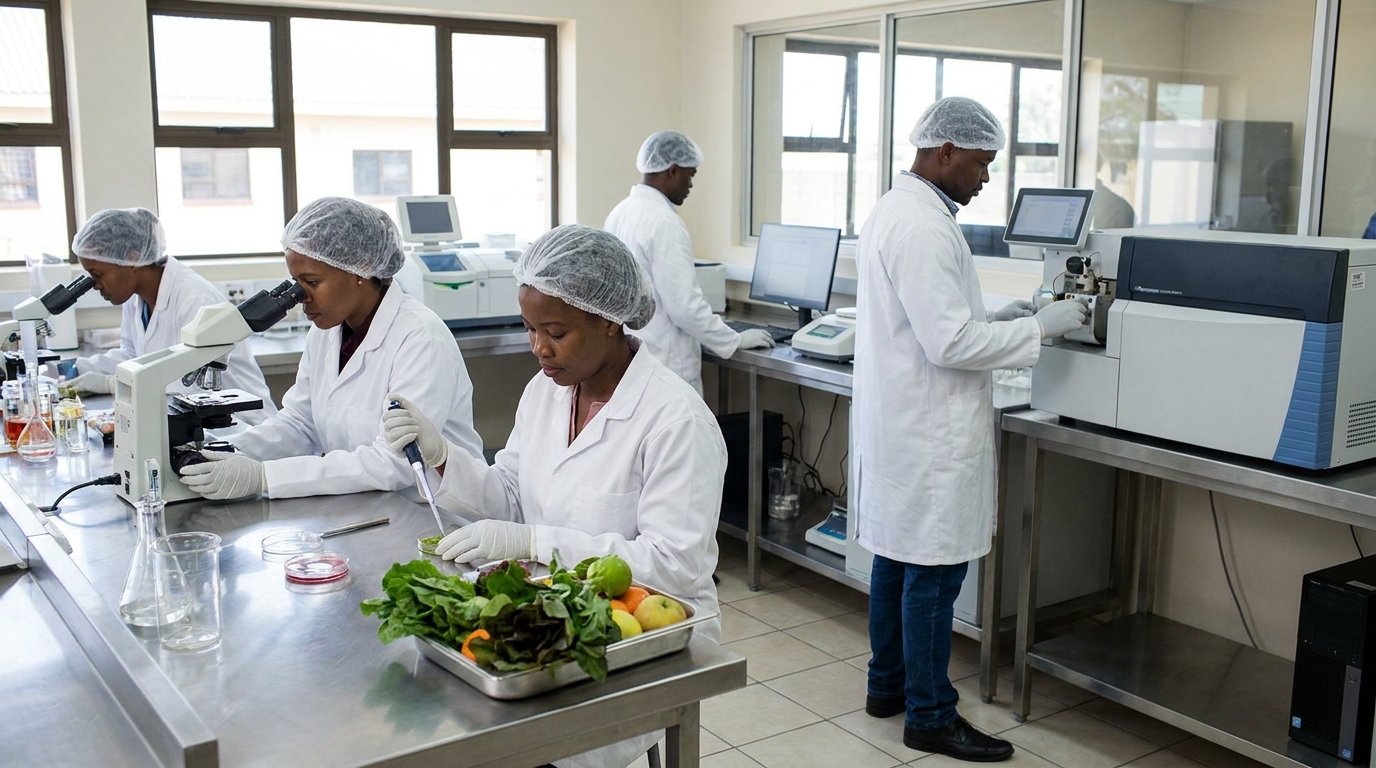
Adeyeye said stronger cooperation should involve timely information sharing, improved laboratory and analytical capacity, virtual learning and greater harmonisation of regulatory requirements.
The AFRAF forum was established to encourage collaboration and information exchange among African food regulatory authorities as the continent’s food production and trade systems become increasingly interconnected. Its work also supports efforts towards greater regulatory harmonisation across Africa.
Food fraud is another concern. Regulators may need to identify products that have been deliberately misrepresented or altered, particularly when products move through complex supply chains involving several markets.
Adeyeye reaffirmed Nigeria’s commitment to strengthening its national food control system while contributing to wider African efforts. She also highlighted the need for continued investment in regulatory agencies, laboratory infrastructure, digital technologies, skilled personnel and surveillance systems.
For consumers, stronger coordination between food regulators could mean faster sharing of information about potentially unsafe products and more consistent regulatory oversight as food moves across borders.
The discussions in Cairo reflect a broader push towards an African food regulatory system that can respond more effectively to the realities of modern food trade.



 English