

By Morgan Nwanguma
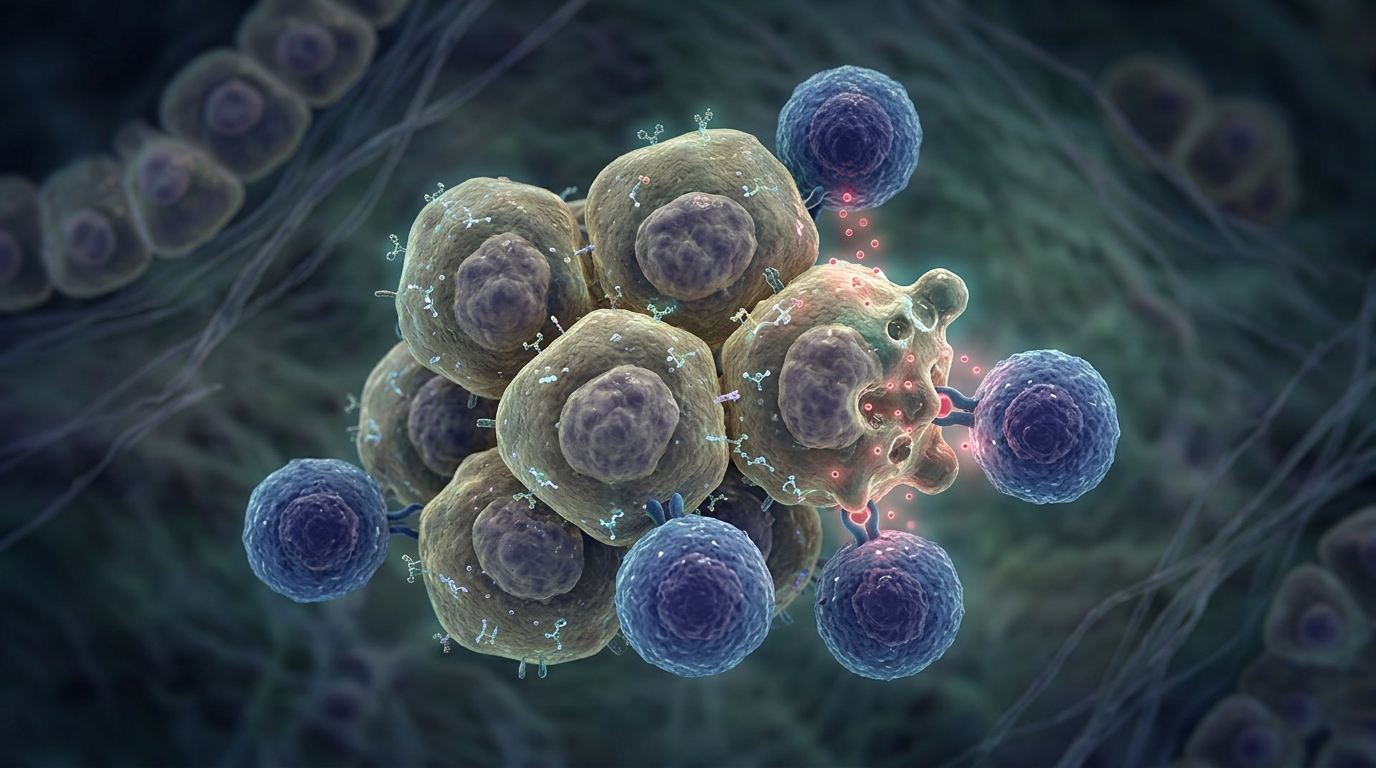
Scientists have developed an experimental CRISPR-based approach that could make prostate cancer cells easier for the immune system to detect and destroy. In studies involving mice, the treatment dramatically improved the effectiveness of immunotherapy, offering a potential new strategy for treating prostate cancer and other tumours that are resistant to immune-based therapies.
Prostate cancer is notoriously difficult to treat with immunotherapy. Unlike tumours that readily attract immune cells, most prostate tumours are considered “immune cold,” meaning they contain relatively few T cells. Without enough T cells reaching the tumour, treatments designed to activate the immune system have limited effectiveness.
Researchers have now developed an RNA-targeting technology that may help change that. Using a CRISPR-based tool, they altered RNA inside prostate cancer cells, making the tumours more visible to cancer-fighting immune cells.
The findings, published in Nature Biomedical Engineering, showed that the approach significantly improved the response of prostate tumours to immune checkpoint therapy in mice. Following treatment, more immune cells entered the tumours and attacked the cancer cells.
Why Prostate Cancer Resists Immunotherapy
The research builds on a discovery made by Eric J. Wagner and his colleagues about 12 years ago while studying glioblastoma. They found that many messenger RNA molecules, or mRNAs, inside tumour cells were shorter than normal.
mRNA carries genetic instructions from DNA to the machinery that produces proteins. When these molecules are shortened, they can become more stable and remain active longer, potentially allowing cancer cells to produce excessive amounts of certain proteins and evade normal cellular controls.
Subsequent research suggested that this type of mRNA shortening occurs in many cancers and may help tumours survive, adapt and resist treatment. The researchers eventually identified a connection between shortened mRNA and one of the immune system’s most important signals.

Restoring an Important Immune Signal
One reason prostate tumours can become “immune cold” is the loss of MHC-I, a molecular complex that helps T cells recognize abnormal cells. When MHC-I levels fall, cancer cells become much harder for the immune system to identify and destroy.
The researchers uncovered a chain of events that contributes to this problem:
A protein called SPSB1 promotes the destruction of the MHC-I complex.
In prostate cancer cells, the mRNA responsible for producing SPSB1 is unusually short.
The shortened mRNA produces greater amounts of SPSB1 protein.
Higher levels of SPSB1 reduce the amount of MHC-I available on cancer cells.
With less MHC-I, T cells have a harder time recognising and attacking the tumour.
Using CRISPR to Make Tumours More Visible
The research team, led by scientists at Duke University School of Medicine, developed an experimental RNA-based CRISPR-Cas13 system designed to reverse this process.
Rather than cutting DNA or RNA, the tool attaches to a specific region of the SPSB1 mRNA. This prevents cancer cells from shortening the end, or tail, of the molecule and effectively restores it to a more normal length.
The longer mRNA produces less SPSB1 protein. As a result, MHC-I levels can recover, giving immune cells a stronger signal that cancer cells are present.
Once MHC-I was restored, immune checkpoint therapy became substantially more effective against the prostate tumours in mice. The researchers also reported that their detailed analysis detected no measurable off-target effects from the experimental treatment.
“This is an excellent preclinical model showing that mRNAs can be forced to re-lengthen and, when they do, there’s therapeutic benefit,” Wagner said. He suggested that combining this approach with existing immunotherapies could potentially make otherwise resistant tumours more vulnerable to the immune system.
Could It Work Against Other Cancers?
The researchers are now investigating whether the same strategy could be useful against other “immune cold” cancers.
Their next area of interest is pancreatic cancer, another tumour type that frequently responds poorly to immunotherapy. The team has received pilot funding from the Wilmot Cancer Institute and Roswell Park Comprehensive Cancer Center to test the technology in pancreatic cancer models.
The findings are still at the preclinical stage, meaning the treatment has been tested in laboratory studies and mice rather than demonstrated to be safe and effective in people. Human clinical trials will be needed to determine whether the approach can eventually become a viable cancer treatment.If successful, the technology could represent a new way of improving immunotherapy, not by directly killing cancer cells, but by changing the cancer cells so the immune system can recognize and attack them more effectively



 English