

By Morgan Nwanguma
A new study has revealed that dietary fibre plays a crucial role in determining whether beneficial intestinal worms can help combat inflammation or become largely inactive. Researchers found that when diets contained adequate amounts of fibre, the worms remained healthy and were able to trigger anti-inflammatory responses. In contrast, a low-fibre diet caused the parasites to enter a hibernation-like state, eliminating their beneficial effects.
The findings, published in Nature Communications, were reported by parasitologists at the Biology Centre of the Czech Academy of Sciences.
The Link Between Worms and Inflammatory Diseases
For thousands of years, intestinal parasites were a common part of the human digestive system. However, advances in hygiene, sanitation, and modern medicine have dramatically reduced their presence in industrialised nations. Interestingly, this decline has coincided with a rise in autoimmune disorders and inflammatory bowel diseases.
This observation led scientists to explore whether certain intestinal worms could be used therapeutically to regulate excessive immune responses and reduce inflammation. Although helminth therapy has shown promise, its effectiveness has varied widely.
According to Kateřina Jirků of the Institute of Parasitology at the Biology Centre CAS, researchers have long sought to understand why intestinal worms sometimes suppress inflammation and at other times appear ineffective. Their latest work suggests that diet, particularly fibre intake, may be a key factor influencing these outcomes.
Fibre Determines Worm Health and Function
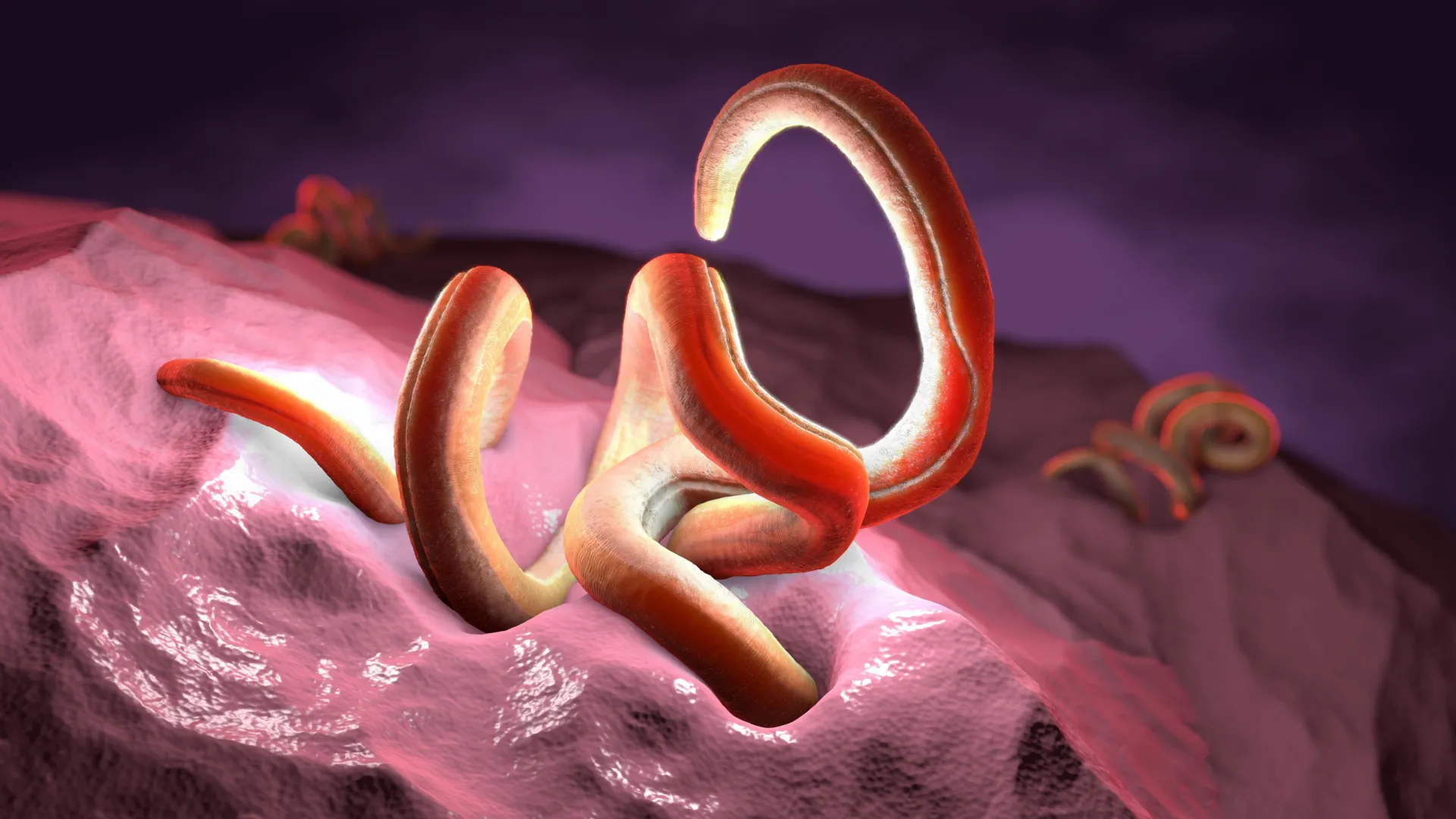
To investigate the relationship, the research team studied the rat tapeworm Hymenolepis diminuta, a harmless parasite frequently used to examine interactions between intestinal worms, gut microbes, and the immune system because of its well-documented anti-inflammatory properties.
The study revealed striking differences between worms living in hosts fed fibre-rich diets and those consuming fibre-poor diets.
When dietary fibre was abundant, the tapeworms remained healthy and capable of stimulating anti-inflammatory responses in the host. However, when fibre was scarce, the worms entered an energy-conserving state similar to hibernation, losing their ability to provide those benefits.
Animals fed low-fibre diets harboured tapeworms that were several times smaller than normal, failed to reach sexual maturity, and did not produce eggs. Genetic analyses also showed extensive changes in gene activity affecting the worms’ growth, metabolism, and reproductive functions.

Fibre Also Improves Gut Microbial Health
Beyond its impact on the parasites, dietary fibre significantly influenced the gut microbiome. Fibre-rich diets promoted the growth of beneficial bacteria associated with a healthy intestinal environment. Conversely, Western-style diets low in fibre reduced microbial diversity and encouraged the expansion of bacteria linked to dysbiosis, an unhealthy imbalance in the gut ecosystem.
These microbial changes were accompanied by differences in the host’s immune responses, highlighting the interconnected relationship between diet, parasites, gut microbes, and immunity.
A Reminder of Fibre’s Importance
The researchers say their findings underscore the powerful role diet plays in shaping the gut environment. Health experts generally recommend that adults consume between 25 and 30 grams of dietary fibre daily, yet average intake in many Western countries remains below these levels. Traditional populations, by comparison, often consume between 80 and 120 grams of fibre each day.
Previous studies have shown that inadequate fibre intake can damage the gut microbiome, which is increasingly recognised as essential not only for digestive health but also for immune regulation, brain function, and mental well-being. Poor microbial balance has been linked to a range of conditions, including allergies, depression, anxiety, and neurodegenerative disorders such as Alzheimer’s disease.
The new research adds to growing evidence that dietary fibre is a cornerstone of a healthy gut ecosystem, influencing everything from beneficial microbes to intestinal parasites and the body’s ability to regulate inflammation.
ALSO READ: Researchers learn that bacteria can “explode” to broaden antibiotic resistance



 English