

By Deborah Bamisaye
Imagine calling an old friend for help during an emergency. You trust them; you believe they will show up; you count on them but when the moment arrives, they no longer have the ability to help. Not because they do not want to but because time has changed some things. Surprisingly, medicines can face a similar problem.
The Day a Cure Could No Longer Helps
A tablet that once fought an illness may not always possess the same strength years later, and that is where today’s story begins. Most people understand that food expires. Milk expires; Bread expires; Yoghurt expires; yet many people look at medicines differently.
A tablet sits quietly in a drawer. Months pass, sometimes years, the colour remains unchanged. The packaging still looks familiar, nothing appears wrong. And so, when sickness comes knocking, the medicine is called back into service. But appearance can be deceptive. Every medicine begins a race against time the moment it is manufactured.
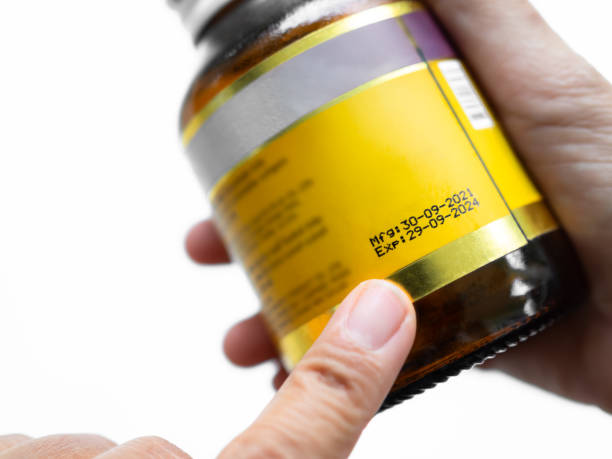
Scientists carefully study medicines to determine how long they can maintain their quality, safety and effectiveness under recommended conditions. That period becomes the expiry date. Think of it this way:
§ The expiry date is not a decoration
§ It is a warning
§ A warning that beyond a certain point, the manufacturer can no longer guarantee that the medicine will perform exactly as intended
Can Expired Medicines Harm You?
This is where many people become confused. Not every expired medicine suddenly transforms into poison the day after its expiry date. The greater concern is often something else:

– Loss of Effectiveness
A medicine that once delivered the required therapeutic effect may gradually lose some of its strength over time. Imagine trying to extinguish a fire with a hose that has lost pressure. Water still comes out but not with the force needed to solve the problem. Medicines can face a similar challenge. The danger is not always what the medicine becomes; sometimes, the danger is what it can no longer do.
The Forgotten Pharmacy at Home
Almost every family has one:
– A drawer
– A cupboard
– A small box
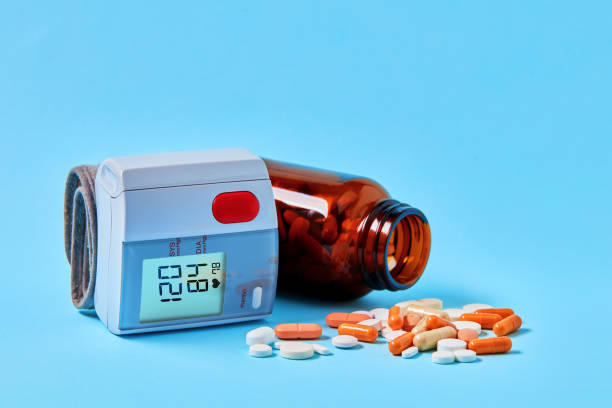
– A collection of medicines purchased for headaches, malaria, cough, fever, stomach upset and other conditions.
– Some are recent
– Others have survived house moves, renovations and entire calendar years. The medicines wait quietly. Ready, we assume, for the next emergency but medicines do not measure time the way we do.
While we are busy living life, chemistry continues its work – slowly, silently; day after day. That is why checking expiry dates should become as natural as checking the freshness of food, because healing was never designed to last forever on a shelf. Sometimes the medicine remains but the promise behind it begins to fade.
NAFDAC (National Agency for Food and Drug Administration and Control) strongly discourages the use of expired or unregistered medicines, advises proper disposal of expired drugs. It warns against self-medication and keeping leftover prescriptions.
The Solution:
§ Check expiry dates regularly
§ Dispose of expired medicines safely
§ Do not keep medicines “just in case” for years
§ Review your home medicine box every few months
§ Replace medicines that are expired or no longer needed
§ When in doubt, ask a pharmacist before using an old medicine
Before this day ends, open that drawer, cupboard, box, or shelf where your medicines live. Check the dates. Remove what no longer belongs there. Make room for medicines that can still keep their promises. Because when illness arrives, you deserve more than hope; you deserve treatment you can trust. Let today’s inspection become tomorrow’s protection.
You will do that, won’t you? Excellent!
Keep choosing health before illness forces the choice.
See you on the next one!


 English