

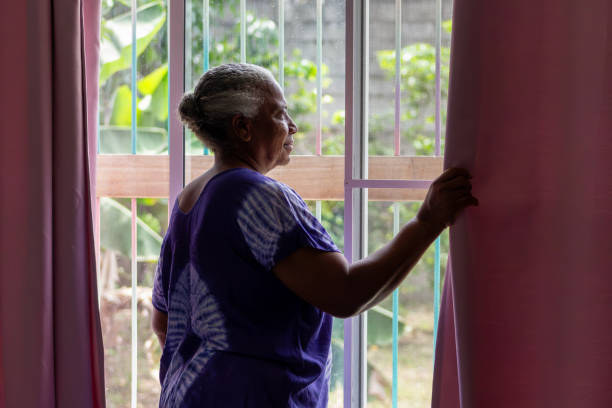
The World Health Organization (WHO) has released new dementia guidelines identifying air pollution as one of 14 modifiable risk factors that can increase a person’s chances of developing the condition. The recommendations, published on Wednesday, July 15, shift greater attention toward dementia prevention, with WHO saying that addressing these risk factors throughout life could prevent or delay up to 45 per cent of dementia cases worldwide.
The updated WHO dementia guidelines recognize long-term exposure to polluted air alongside high blood pressure, diabetes, smoking, obesity and physical inactivity as key contributors to cognitive decline. Harmful alcohol use, hearing loss, vision loss, depression, social isolation, traumatic brain injury, elevated cholesterol and lower educational attainment are also included among the factors linked to dementia risk.
According to WHO, protecting brain health should begin long before memory problems develop. The organization said measures taken from early life through older adulthood can help preserve cognitive function and reduce the likelihood of dementia later in life.

The WHO dementia guidelines encourage governments to make dementia prevention part of routine healthcare by promoting healthy diets, regular physical activity, tobacco cessation, effective management of cardiovascular diseases and diabetes, and greater opportunities for lifelong learning and social participation.
The guidance also highlights the growing importance of environmental health. By formally recognising air pollution as a dementia risk factor, WHO says reducing exposure to polluted air should become part of wider public health efforts to protect brain health.
While advancing age remains the strongest risk factor for dementia, WHO noted that many other influences can be modified. Addressing conditions such as hypertension, obesity and diabetes, together with adopting healthier lifestyles, could significantly reduce the future burden of the disease.
The organization also advised against routinely taking vitamin B supplements, vitamin E, omega-3 fatty acids or multivitamins solely to prevent dementia. Based on available evidence, WHO said these supplements have not been shown to reduce dementia risk in the general population.
More than 57 million people are currently living with dementia worldwide, and nearly 10 million new cases are recorded each year. As populations continue to age, WHO believes implementing its new dementia guidelines could help improve brain health, reduce disability and lessen the growing pressure on health systems and caregivers.
Related: Landmark Study Challenges Assumptions About Safety of Widely Used Dementia Drug.


 English