
By Evans Matthews
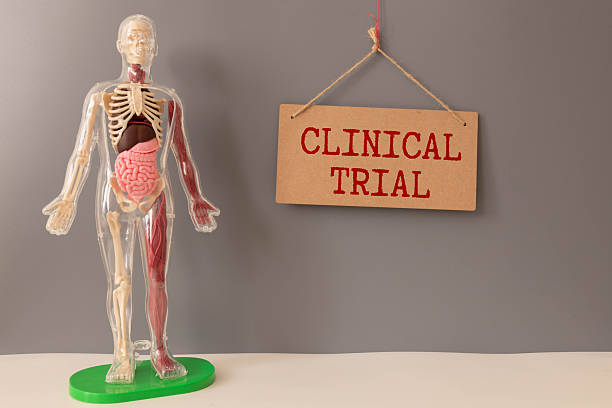
Medical innovation often begins with a leap into the unknown. Before new medicines or therapies can transform patient care, they must first pass through one of the most delicate stages of research: the first-in-human trial. These early clinical studies mark the moment when a new drug, vaccine, or therapy is tested in people for the first time after years of laboratory and animal research. While the promise of innovation drives the process forward, ensuring safety remains the guiding principle.
First-in-human trials, typically conducted as Phase I clinical studies, are designed primarily to evaluate safety, dosage ranges, and potential side effects. Unlike later trials that focus on how well a treatment works, these studies aim to answer a fundamental question: is the intervention safe enough to continue testing?
Dr. Helena Ortiz, a clinical pharmacologist involved in early-stage drug development, explains that the stakes are exceptionally high. “First-in-human trials represent the critical bridge between science in the laboratory and real-world medicine,” she says. “Every precaution must be taken because we are entering territory where the human response is not yet fully known.”
The importance of safety protocols in such trials was highlighted by past incidents that reshaped global research standards. In response, regulatory agencies across the world strengthened oversight, introduced more rigorous preclinical requirements, and emphasized careful dose escalation strategies.
Today, regulators such as the U.S. Food and Drug Administration, the European Medicines Agency, and similar bodies in Asia, Africa, and Latin America work to harmonize guidelines. These frameworks aim to encourage innovation while ensuring participant protection. Ethical review boards, strict monitoring systems, and transparent reporting mechanisms have become central pillars of modern clinical research.
“Patient safety is non-negotiable,” says bioethicist Professor Samuel Kline. “But we must also remember that innovation is essential. Without carefully conducted early trials, many life-saving treatments would never exist.”
Participants in first-in-human trials are often healthy volunteers, though in some cases patients with serious or life-threatening conditions may take part. Volunteers undergo extensive screening, monitoring, and informed consent processes to ensure they fully understand the potential risks.
Advances in technology are also helping reduce uncertainty. Artificial intelligence, advanced imaging, and predictive biological models now allow scientists to better anticipate how a drug might behave in the human body before the first participant is enrolled. These tools provide an additional layer of confidence in early clinical development.
Global collaboration has further strengthened the field. Large research networks and international regulatory cooperation allow scientists to share safety data more rapidly and learn from experiences across different regions. This collective approach helps identify potential risks early and improves the design of future trials.
Yet, the balance between innovation and safety is not always easy to maintain. Pressure to accelerate drug development especially during global health emergencies, can challenge researchers and regulators alike. The rapid development of vaccines during the COVID-19 pandemic demonstrated that speed is possible without compromising safety when rigorous scientific processes are upheld.
Clinical trial specialist Dr. Amina Rahman emphasizes that transparency and trust are key. “Public confidence depends on how responsibly these trials are conducted,” she says. “Participants are not just subjects in research, they are partners in scientific progress.”
As medical science continues to advance, first-in-human trials will remain a vital gateway for new therapies. Striking the right balance between bold innovation and uncompromising safety ensures that the path from discovery to treatment remains both responsible and transformative for patients worldwide.


 English